
üzerinden
Instagram
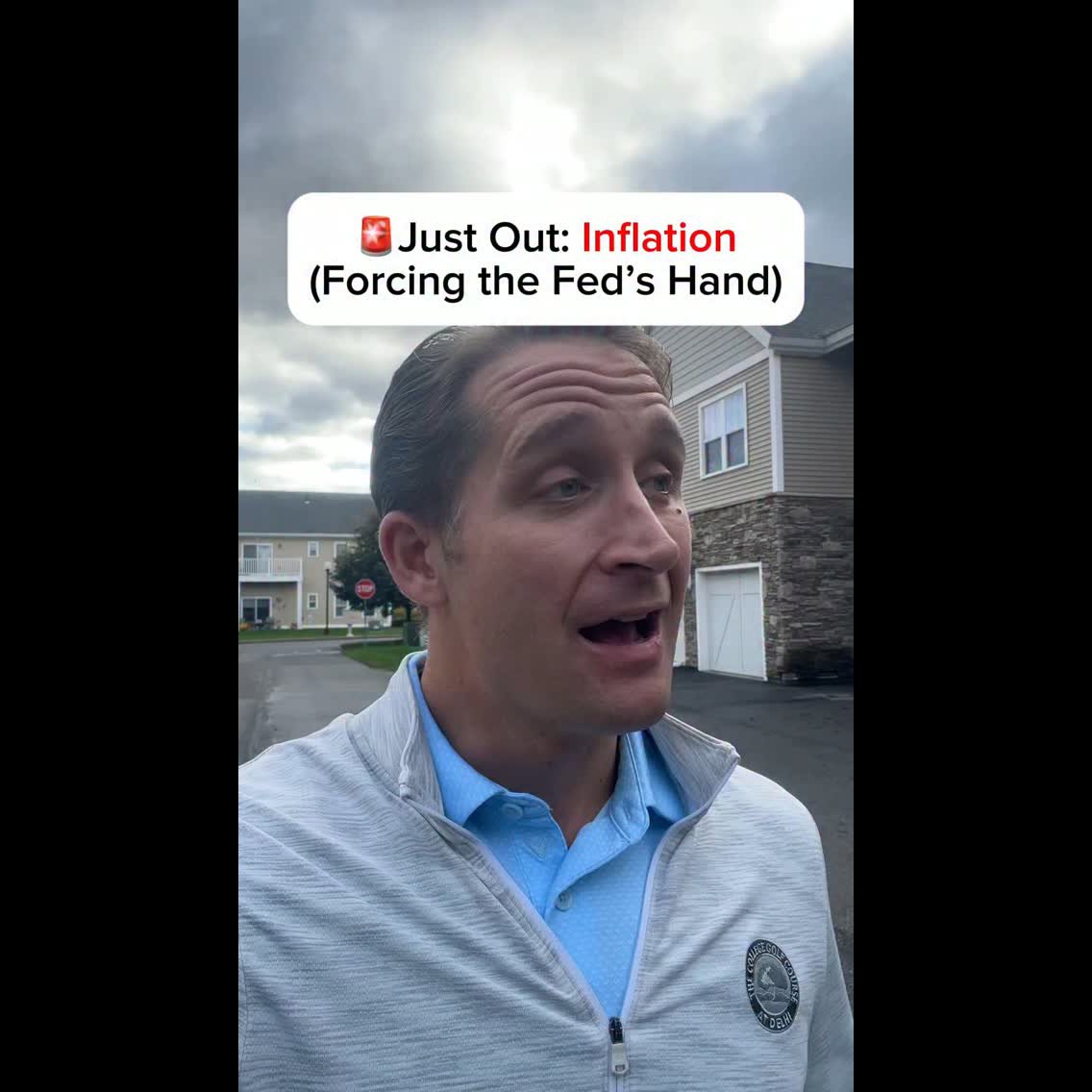
The market is sending a clear signal about the Fed’s next move.
Short-term Treasury rates stayed high, while 20- and 30-year Treasury rates fell.
Why? Higher interest rates make borrowing more expensive for consumers and businesses, slowing spending, investment, and economic growth.
Meanwhile, stocks sold off, closing at session lows.
FED RATE HIKES = THE BRAKES ON THE ECONOMY
And the market responded accordingly today.
HIT FOLLOW TO BECOME A BETTER INVESTOR
#StockMarket #FederalReserve #Inflation #Investing
Short-term Treasury rates stayed high, while 20- and 30-year Treasury rates fell.
Why? Higher interest rates make borrowing more expensive for consumers and businesses, slowing spending, investment, and economic growth.
Meanwhile, stocks sold off, closing at session lows.
FED RATE HIKES = THE BRAKES ON THE ECONOMY
And the market responded accordingly today.
HIT FOLLOW TO BECOME A BETTER INVESTOR
#StockMarket #FederalReserve #Inflation #Investing

2K
üzerinden
Instagram
Inflation came in hot. The bond market is selling off. And the Fed may have to hike rates again.
50% chance of October rate hike. 97% chance by December.
66% chance of 2nd hike in January.
54% chance of 3rd hike in March!
War, oil, and AI spending are fueling inflation. Investors need to pay attention.
#Inflation #FederalReserve #StockMarket #Investing
Educational purposes only. This content is not intended to provide individualized investment, tax, or financial advice.
50% chance of October rate hike. 97% chance by December.
66% chance of 2nd hike in January.
54% chance of 3rd hike in March!
War, oil, and AI spending are fueling inflation. Investors need to pay attention.
#Inflation #FederalReserve #StockMarket #Investing
Educational purposes only. This content is not intended to provide individualized investment, tax, or financial advice.
2.6K



🚨 FINANCE NEWS UPDATE | October 14, 2026 📈💰
**Global Markets on Alert: Inflation, Interest Rates & AI Stocks Take Center Stage!**
The financial world is witnessing another important shift as investors react to changing economic conditions.
🔥 **Here are today's top financial highlights:**
📉 **1. Stock Markets Under Pressure**
Wall Street ended Tuesday on a cautious note as investors assessed corporate earnings and concerns surrounding AI-related technology stocks.
🏦 **2. Federal Reserve in Focus**
Investors are closely watching upcoming U.S. inflation data, which could influence the Federal Reserve's next interest rate decision.
💵 **3. U.S. Dollar Loses Momentum**
The dollar has retreated from recent highs as traders reassess inflation expectations and the outlook for monetary policy.
📊 **4. Bond Markets Attract Attention**
U.S. Treasury yields have eased from recent peaks, while investors weigh attractive bond returns against inflation risks.
🤖 **5. AI Stocks Face Fresh Scrutiny**
Concerns over AI investment valuations and growing competition in the semiconductor industry are increasing market volatility.
💡 **What does this mean for investors?**
The coming days could be crucial for global markets. Inflation data, central bank signals, and corporate earnings may shape the next market trend.
📢 **The big question:**
Are we heading toward a fresh stock market rally 📈 or more volatility ahead? 📉
👇 Share your thoughts in the comments!
#FinanceNews #StockMarket #Investing #FinancialMarkets #GlobalEconomy #FederalReserve #Inflation #WallStreet #AIStocks #MarketUpdate
**Global Markets on Alert: Inflation, Interest Rates & AI Stocks Take Center Stage!**
The financial world is witnessing another important shift as investors react to changing economic conditions.
🔥 **Here are today's top financial highlights:**
📉 **1. Stock Markets Under Pressure**
Wall Street ended Tuesday on a cautious note as investors assessed corporate earnings and concerns surrounding AI-related technology stocks.
🏦 **2. Federal Reserve in Focus**
Investors are closely watching upcoming U.S. inflation data, which could influence the Federal Reserve's next interest rate decision.
💵 **3. U.S. Dollar Loses Momentum**
The dollar has retreated from recent highs as traders reassess inflation expectations and the outlook for monetary policy.
📊 **4. Bond Markets Attract Attention**
U.S. Treasury yields have eased from recent peaks, while investors weigh attractive bond returns against inflation risks.
🤖 **5. AI Stocks Face Fresh Scrutiny**
Concerns over AI investment valuations and growing competition in the semiconductor industry are increasing market volatility.
💡 **What does this mean for investors?**
The coming days could be crucial for global markets. Inflation data, central bank signals, and corporate earnings may shape the next market trend.
📢 **The big question:**
Are we heading toward a fresh stock market rally 📈 or more volatility ahead? 📉
👇 Share your thoughts in the comments!
#FinanceNews #StockMarket #Investing #FinancialMarkets #GlobalEconomy #FederalReserve #Inflation #WallStreet #AIStocks #MarketUpdate
🚨 FINANCE NEWS UPDATE | October 14, 2026 📈💰
**Global Markets on Alert: Inflation, Interest Rates & AI Stocks Take Center Stage!**
The financial world is witnessing another important shift as investors react to changing economic conditions.
🔥 **Here are today's top financial highlights:**
📉 **1. Stock Markets Under Pressure**
Wall Street ended Tuesday on a cautious note as investors assessed corporate earnings and concerns surrounding AI-related technology stocks.
🏦 **2. Federal Reserve in Focus**
Investors are closely watching upcoming U.S. inflation data, which could influence the Federal Reserve's next interest rate decision.
💵 **3. U.S. Dollar Loses Momentum**
The dollar has retreated from recent highs as traders reassess inflation expectations and the outlook for monetary policy.
📊 **4. Bond Markets Attract Attention**
U.S. Treasury yields have eased from recent peaks, while investors weigh attractive bond returns against inflation risks.
🤖 **5. AI Stocks Face Fresh Scrutiny**
Concerns over AI investment valuations and growing competition in the semiconductor industry are increasing market volatility.
💡 **What does this mean for investors?**
The coming days could be crucial for global markets. Inflation data, central bank signals, and corporate earnings may shape the next market trend.
📢 **The big question:**
Are we heading toward a fresh stock market rally 📈 or more volatility ahead? 📉
👇 Share your thoughts in the comments!
#FinanceNews #StockMarket #Investing #FinancialMarkets #GlobalEconomy #FederalReserve #Inflation #WallStreet #AIStocks #MarketUpdate
**Global Markets on Alert: Inflation, Interest Rates & AI Stocks Take Center Stage!**
The financial world is witnessing another important shift as investors react to changing economic conditions.
🔥 **Here are today's top financial highlights:**
📉 **1. Stock Markets Under Pressure**
Wall Street ended Tuesday on a cautious note as investors assessed corporate earnings and concerns surrounding AI-related technology stocks.
🏦 **2. Federal Reserve in Focus**
Investors are closely watching upcoming U.S. inflation data, which could influence the Federal Reserve's next interest rate decision.
💵 **3. U.S. Dollar Loses Momentum**
The dollar has retreated from recent highs as traders reassess inflation expectations and the outlook for monetary policy.
📊 **4. Bond Markets Attract Attention**
U.S. Treasury yields have eased from recent peaks, while investors weigh attractive bond returns against inflation risks.
🤖 **5. AI Stocks Face Fresh Scrutiny**
Concerns over AI investment valuations and growing competition in the semiconductor industry are increasing market volatility.
💡 **What does this mean for investors?**
The coming days could be crucial for global markets. Inflation data, central bank signals, and corporate earnings may shape the next market trend.
📢 **The big question:**
Are we heading toward a fresh stock market rally 📈 or more volatility ahead? 📉
👇 Share your thoughts in the comments!
#FinanceNews #StockMarket #Investing #FinancialMarkets #GlobalEconomy #FederalReserve #Inflation #WallStreet #AIStocks #MarketUpdate
2
1
üzerinden
Instagram
🚨 HUGE week ahead for the markets.
🏦 Tuesday: Big Bank Earnings
📊 Wednesday: CPI inflation report
🛍️ Thursday: Retail Sales
Three events that could reshape expectations for the consumer, inflation, and the Fed’s next move.
And with American Express getting hammered, investors are asking a BIG question: Is the K-shaped economy finally starting to crack?
🍿 Get your popcorn ready. Hit follow so you don’t miss what matters.
#StockMarket #Inflation #FederalReserve #Investing
Educational purposes only. This content is not intended to provide individualized investment, tax, or financial advice.
🏦 Tuesday: Big Bank Earnings
📊 Wednesday: CPI inflation report
🛍️ Thursday: Retail Sales
Three events that could reshape expectations for the consumer, inflation, and the Fed’s next move.
And with American Express getting hammered, investors are asking a BIG question: Is the K-shaped economy finally starting to crack?
🍿 Get your popcorn ready. Hit follow so you don’t miss what matters.
#StockMarket #Inflation #FederalReserve #Investing
Educational purposes only. This content is not intended to provide individualized investment, tax, or financial advice.

688