
üzerinden
Instagram
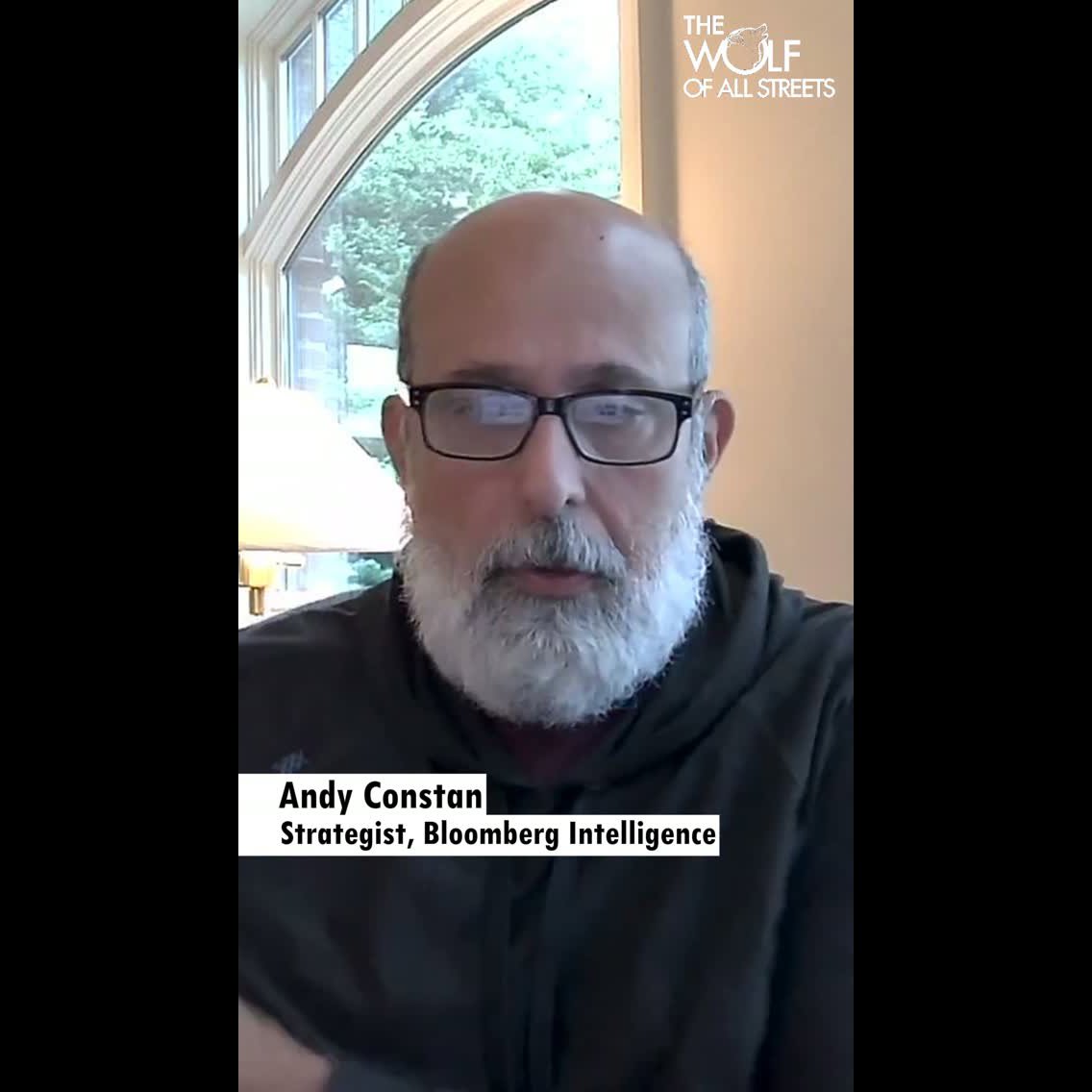
Andy Constan says rising bond yields are just markets finally catching up to a growth boom driven by AI and the OBBB
You have to look at what’s happened in the bond market. And I put it in context of, man, thanks for finally showing up at the party. We’ve had a meaningful growth impulse for multiple years now, driven by AI capital and capex, which had been going on since 2023, when ChatGPT first was released. It really accelerated last summer, not this summer, the summer before last, with the OBBB, where capex was tax-advantaged by the budget. And so we saw that massive acceleration in growth. The consumer has remained strong, because asset markets have remained robust. And so that combination of things has created an above-trend growth impulse, inflation above target, and, yeah, I mean, catch up bond market. And finally, it did. I don’t know why, perhaps it’s Warsh leaning hawkish and then ultimately hiking. But really, as far as I can tell, the only thing that really has happened in the bond market is that the long end globally has caught up to the idea that we’re in the midst of a growth boom.
#Bonds #Macro
You have to look at what’s happened in the bond market. And I put it in context of, man, thanks for finally showing up at the party. We’ve had a meaningful growth impulse for multiple years now, driven by AI capital and capex, which had been going on since 2023, when ChatGPT first was released. It really accelerated last summer, not this summer, the summer before last, with the OBBB, where capex was tax-advantaged by the budget. And so we saw that massive acceleration in growth. The consumer has remained strong, because asset markets have remained robust. And so that combination of things has created an above-trend growth impulse, inflation above target, and, yeah, I mean, catch up bond market. And finally, it did. I don’t know why, perhaps it’s Warsh leaning hawkish and then ultimately hiking. But really, as far as I can tell, the only thing that really has happened in the bond market is that the long end globally has caught up to the idea that we’re in the midst of a growth boom.
#Bonds #Macro
2

üzerinden
Facebook
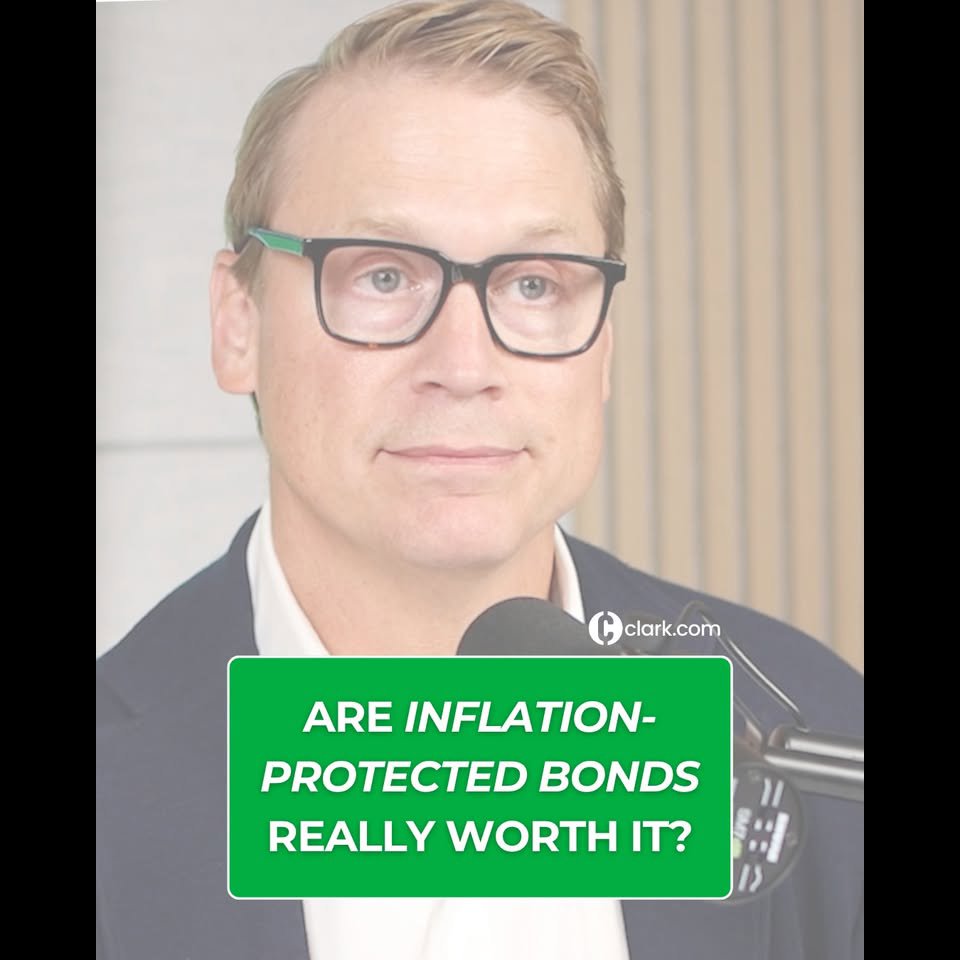
An investment that protects your money from inflation sounds like a no-brainer, right?
Not necessarily.
Wes breaks down Treasury Inflation-Protected Securities (TIPS) and explains why their inflation protection comes with a trade-off: lower interest yields compared with traditional Treasury bonds.
While TIPS can have a place in your retirement portfolio, Wes says they aren't necessarily a must-have—and their long-term returns can be surprisingly similar to other bonds.
🎧 Are you protecting your retirement savings the right way? Hear Wes explain how to think about inflation protection and your fixed-income investments on The Clark Howard Podcast.
Listen at Clark.com/podcast or watch at YouTube.com/clark.
#WesMoss #RetirementPlanning #TIPS #Inflation #Bonds #Investing #RetirementSavings #PersonalFinance
Not necessarily.
Wes breaks down Treasury Inflation-Protected Securities (TIPS) and explains why their inflation protection comes with a trade-off: lower interest yields compared with traditional Treasury bonds.
While TIPS can have a place in your retirement portfolio, Wes says they aren't necessarily a must-have—and their long-term returns can be surprisingly similar to other bonds.
🎧 Are you protecting your retirement savings the right way? Hear Wes explain how to think about inflation protection and your fixed-income investments on The Clark Howard Podcast.
Listen at Clark.com/podcast or watch at YouTube.com/clark.
#WesMoss #RetirementPlanning #TIPS #Inflation #Bonds #Investing #RetirementSavings #PersonalFinance
30


📉 French government borrowing costs have surged, with the 10-year yield approaching 5%, as investors grow increasingly concerned about the country’s debt, deficit and political uncertainty. France’s borrowing costs have even moved above those of some countries traditionally viewed as riskier.
💶 The pressure is also hitting the euro, which fell to a 17-month low around $1.116 against the U.S. dollar on October 5.
🇩🇪 At the same time, investors have been moving toward German government bonds as a relative safe haven — highlighting a growing divide inside European debt markets.
🏦 And the ECB remains in focus after raising rates by 25 basis points in September, with inflation still expected to stay above its 2% target for some time.
The key question:
Could France’s fiscal problems remain a national issue — or become a wider problem for European markets and the euro?
#Europe #StockMarket #Investing #euro #ECB #France #Germany #Bonds #Finance #EuropeanMarkets
💶 The pressure is also hitting the euro, which fell to a 17-month low around $1.116 against the U.S. dollar on October 5.
🇩🇪 At the same time, investors have been moving toward German government bonds as a relative safe haven — highlighting a growing divide inside European debt markets.
🏦 And the ECB remains in focus after raising rates by 25 basis points in September, with inflation still expected to stay above its 2% target for some time.
The key question:
Could France’s fiscal problems remain a national issue — or become a wider problem for European markets and the euro?
#Europe #StockMarket #Investing #euro #ECB #France #Germany #Bonds #Finance #EuropeanMarkets
1

📉 Markets are sending a clear message: higher rates and fiscal risk are back in focus.
Global bond markets remain under pressure, with the U.S. 10-year Treasury yield around **5.25%** as investors weigh persistent inflation risks, elevated energy prices, and resilient economic growth.
In Europe, the **euro has fallen to a 17-month low near $1.12**, while concerns about France’s debt and wider political uncertainty are pushing European borrowing costs higher.
Meanwhile, oil remains a major wildcard. Brent recently traded around the **$100-a-barrel level**, keeping inflation expectations—and therefore interest-rate expectations—under pressure.
Yet equities remain surprisingly resilient, with U.S. technology shares continuing to attract investors despite sharply higher bond yields.
**The big theme:** markets are balancing strong growth and AI optimism against expensive money, geopolitical risk, and deteriorating government finances.
For investors, the next moves in **inflation, oil prices, and sovereign bond yields** may matter just as much as corporate earnings.
#Finance #Markets #Investing #Economy #Stocks #Bonds #InterestRates #WallStreet
Global bond markets remain under pressure, with the U.S. 10-year Treasury yield around **5.25%** as investors weigh persistent inflation risks, elevated energy prices, and resilient economic growth.
In Europe, the **euro has fallen to a 17-month low near $1.12**, while concerns about France’s debt and wider political uncertainty are pushing European borrowing costs higher.
Meanwhile, oil remains a major wildcard. Brent recently traded around the **$100-a-barrel level**, keeping inflation expectations—and therefore interest-rate expectations—under pressure.
Yet equities remain surprisingly resilient, with U.S. technology shares continuing to attract investors despite sharply higher bond yields.
**The big theme:** markets are balancing strong growth and AI optimism against expensive money, geopolitical risk, and deteriorating government finances.
For investors, the next moves in **inflation, oil prices, and sovereign bond yields** may matter just as much as corporate earnings.
#Finance #Markets #Investing #Economy #Stocks #Bonds #InterestRates #WallStreet
1
📊 Finance Update: Bond yields, oil and the Fed are driving markets
Global bond markets are in focus after a sharp sell-off pushed the **10-year U.S. Treasury yield as high as 5.34%**, its highest level since 2002. Yields have since stabilized around 5.24%, but borrowing costs remain elevated across major economies.
🏦 **Fed expectations are shifting:** Federal Reserve Vice Chair Philip Jefferson signaled policymakers may need more time before raising rates again. Markets have sharply reduced expectations for another hike at the Fed’s October meeting.
🛢️ **Energy remains a major inflation risk:** Brent crude has been trading above $100 a barrel amid continued geopolitical and supply concerns, adding pressure to inflation and global interest rates.
📈 **Stocks are holding up better than bonds:** U.S. equities recently regained ground, helped by strength in semiconductor stocks and some easing in Treasury yields.
The key question for investors now: **Can inflation cool enough to bring yields down without derailing economic growth?**
#Finance #Markets #Investing #FederalReserve #Stocks #Bonds #Oil #Economy #FinancialNews
Global bond markets are in focus after a sharp sell-off pushed the **10-year U.S. Treasury yield as high as 5.34%**, its highest level since 2002. Yields have since stabilized around 5.24%, but borrowing costs remain elevated across major economies.
🏦 **Fed expectations are shifting:** Federal Reserve Vice Chair Philip Jefferson signaled policymakers may need more time before raising rates again. Markets have sharply reduced expectations for another hike at the Fed’s October meeting.
🛢️ **Energy remains a major inflation risk:** Brent crude has been trading above $100 a barrel amid continued geopolitical and supply concerns, adding pressure to inflation and global interest rates.
📈 **Stocks are holding up better than bonds:** U.S. equities recently regained ground, helped by strength in semiconductor stocks and some easing in Treasury yields.
The key question for investors now: **Can inflation cool enough to bring yields down without derailing economic growth?**
#Finance #Markets #Investing #FederalReserve #Stocks #Bonds #Oil #Economy #FinancialNews
1