
Earnings can move a stock in minutes. Are you prepared? 📊
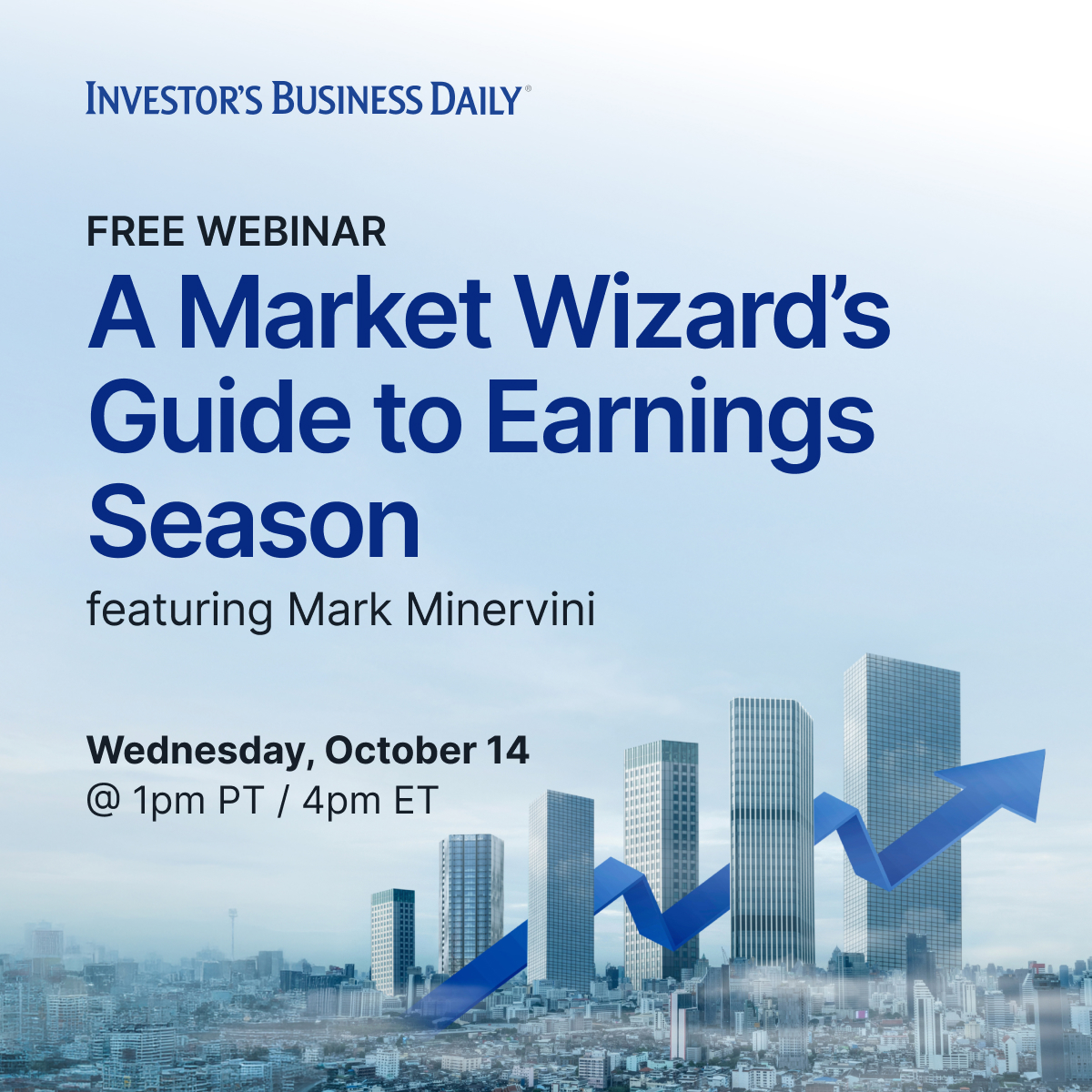
Join @markminervini for a FREE webinar on navigating earnings season.
📅 Oct. 14 | 1 p.m. PT
Register FREE: https://t.co/KbX9cuIJge
#MarkMinervini #EarningsSeason #Investing https://t.co/IJsXxd3k74
Join @markminervini for a FREE webinar on navigating earnings season.
📅 Oct. 14 | 1 p.m. PT
Register FREE: https://t.co/KbX9cuIJge
#MarkMinervini #EarningsSeason #Investing https://t.co/IJsXxd3k74


📈 Finance Update: What Markets Are Watching Right Now
Global markets are entering October with plenty to digest.
Bond yields remain elevated as investors reassess inflation and the path for interest rates, while oil-market volatility continues to feed concerns about price pressures. At the same time, China is signaling fresh measures to support its slowing economy and stabilize the property sector.
Meanwhile, major equity markets are still holding relatively firm, keeping the debate alive over whether strong corporate earnings can offset higher borrowing costs.
The big themes to watch next:
• Interest-rate expectations
• Oil and inflation
• China’s stimulus measures
• Corporate earnings and equity valuations
October could be an important month for investors as macroeconomic risks collide with resilient markets.
#Finance #Markets #Investing #StockMarket #Economy #InterestRates #WallStreet
Global markets are entering October with plenty to digest.
Bond yields remain elevated as investors reassess inflation and the path for interest rates, while oil-market volatility continues to feed concerns about price pressures. At the same time, China is signaling fresh measures to support its slowing economy and stabilize the property sector.
Meanwhile, major equity markets are still holding relatively firm, keeping the debate alive over whether strong corporate earnings can offset higher borrowing costs.
The big themes to watch next:
• Interest-rate expectations
• Oil and inflation
• China’s stimulus measures
• Corporate earnings and equity valuations
October could be an important month for investors as macroeconomic risks collide with resilient markets.
#Finance #Markets #Investing #StockMarket #Economy #InterestRates #WallStreet
📊 Finance update: bonds are back at the center of the market story.
Global markets are digesting a sharp rise in borrowing costs, with the U.S. 30-year Treasury yield recently hitting its highest level since 2002 and the 10-year yield climbing above 5%. Inflation concerns, elevated energy prices and expectations that the Federal Reserve may keep rates higher—or raise them again—are driving the repricing.
What’s striking is the divergence: bond markets have been under heavy pressure, yet equities have remained comparatively resilient. At the same time, higher rates are supporting the dollar and reshaping expectations across currencies, commodities and credit markets.
Another trend worth watching: the AI investment boom is spreading far beyond stocks. Major technology companies are tapping debt markets at enormous scale to finance AI infrastructure, making AI spending an increasingly important factor in global credit markets too.
The big question for investors now: **Can economic growth stay strong enough to support risk assets while interest rates remain this high?**
#Finance #Markets #Investing #Bonds #InterestRates #FederalReserve #AI #Economy
Global markets are digesting a sharp rise in borrowing costs, with the U.S. 30-year Treasury yield recently hitting its highest level since 2002 and the 10-year yield climbing above 5%. Inflation concerns, elevated energy prices and expectations that the Federal Reserve may keep rates higher—or raise them again—are driving the repricing.
What’s striking is the divergence: bond markets have been under heavy pressure, yet equities have remained comparatively resilient. At the same time, higher rates are supporting the dollar and reshaping expectations across currencies, commodities and credit markets.
Another trend worth watching: the AI investment boom is spreading far beyond stocks. Major technology companies are tapping debt markets at enormous scale to finance AI infrastructure, making AI spending an increasingly important factor in global credit markets too.
The big question for investors now: **Can economic growth stay strong enough to support risk assets while interest rates remain this high?**
#Finance #Markets #Investing #Bonds #InterestRates #FederalReserve #AI #Economy
2
📊 **Finance Update: Markets Enter a Higher-Rate Reality**
Global markets are starting the week with several major themes in focus:
📈 U.S. equities remain resilient, with the S&P 500 around 7,743 and the Nasdaq above 27,000.
🏦 Bond yields are back in the spotlight, with the U.S. 10-year yield above 5% as investors reassess inflation, growth and the future path of interest rates.
🛢️ Oil prices are climbing amid renewed geopolitical tensions, adding another potential source of inflation pressure.
🤖 AI-linked stocks remain a major driver of market sentiment — but recent swings show that investor enthusiasm is increasingly being tested by valuations and changing expectations.
💶 Meanwhile, Europe is pushing further into digital finance: the ECB recently launched its wholesale digital-euro infrastructure for settling tokenized financial transactions.
The big question for investors: can strong equity markets keep climbing if higher yields and energy prices become the new normal?
#Finance #Markets #Investing #Stocks #Bonds #Oil #AI #DigitalEuro #Economy
Global markets are starting the week with several major themes in focus:
📈 U.S. equities remain resilient, with the S&P 500 around 7,743 and the Nasdaq above 27,000.
🏦 Bond yields are back in the spotlight, with the U.S. 10-year yield above 5% as investors reassess inflation, growth and the future path of interest rates.
🛢️ Oil prices are climbing amid renewed geopolitical tensions, adding another potential source of inflation pressure.
🤖 AI-linked stocks remain a major driver of market sentiment — but recent swings show that investor enthusiasm is increasingly being tested by valuations and changing expectations.
💶 Meanwhile, Europe is pushing further into digital finance: the ECB recently launched its wholesale digital-euro infrastructure for settling tokenized financial transactions.
The big question for investors: can strong equity markets keep climbing if higher yields and energy prices become the new normal?
#Finance #Markets #Investing #Stocks #Bonds #Oil #AI #DigitalEuro #Economy

📈 Bitcoin is stealing the spotlight from AI.
New Google Trends data shows searches for “how to buy Bitcoin” have surpassed “how to invest in AI”, pointing to a renewed wave of retail interest in BTC. (news.bitcoin.com)
AI may be dominating the headlines, but Bitcoin is clearly still dominating part of the investment conversation.
#Bitcoin #BTC #Crypto #AI #Investing
New Google Trends data shows searches for “how to buy Bitcoin” have surpassed “how to invest in AI”, pointing to a renewed wave of retail interest in BTC. (news.bitcoin.com)
AI may be dominating the headlines, but Bitcoin is clearly still dominating part of the investment conversation.
#Bitcoin #BTC #Crypto #AI #Investing