

🚨 FINANCE NEWS UPDATE | October 9, 2026 📈💰
🌍 Global Markets Under Pressure: Oil Prices Surge, Stocks Slip!
Financial markets are facing fresh uncertainty as rising oil prices, higher bond yields, and inflation concerns shake investor confidence.
📊 Today's Key Financial Headlines:
🔴 Stock Market: The S&P 500 fell 0.5%, while the Nasdaq dropped 1.3% in Thursday's session.
🛢️ Oil Prices: Brent crude traded above $100 per barrel amid geopolitical tensions and supply concerns.
🏦 Interest Rates: Rising bond yields are increasing pressure on borrowing costs and fueling concerns about further central bank rate hikes.
💻 Technology Stocks: AI-related shares are facing renewed scrutiny over valuations and future profitability.
💡 What Does This Mean for Investors?
Markets remain sensitive to inflation, interest rates, and global economic developments. Diversification, risk management, and a long-term perspective are more important than ever.
🔎 The Big Question: Will global markets rebound, or is more volatility ahead?
👇 Share your thoughts in the comments!
#FinanceNews #StockMarket #Investing #FinancialMarkets #WallStreet #Economy #Inflation #OilPrices #MarketUpdate #Finance
🌍 Global Markets Under Pressure: Oil Prices Surge, Stocks Slip!
Financial markets are facing fresh uncertainty as rising oil prices, higher bond yields, and inflation concerns shake investor confidence.
📊 Today's Key Financial Headlines:
🔴 Stock Market: The S&P 500 fell 0.5%, while the Nasdaq dropped 1.3% in Thursday's session.
🛢️ Oil Prices: Brent crude traded above $100 per barrel amid geopolitical tensions and supply concerns.
🏦 Interest Rates: Rising bond yields are increasing pressure on borrowing costs and fueling concerns about further central bank rate hikes.
💻 Technology Stocks: AI-related shares are facing renewed scrutiny over valuations and future profitability.
💡 What Does This Mean for Investors?
Markets remain sensitive to inflation, interest rates, and global economic developments. Diversification, risk management, and a long-term perspective are more important than ever.
🔎 The Big Question: Will global markets rebound, or is more volatility ahead?
👇 Share your thoughts in the comments!
#FinanceNews #StockMarket #Investing #FinancialMarkets #WallStreet #Economy #Inflation #OilPrices #MarketUpdate #Finance
📊 Finance Update: Markets Brace for a High-Stakes Week
Global markets are navigating a sharp shift in sentiment as investors balance easing geopolitical risks against renewed concerns about technology valuations.
🛢️ Oil prices retreated sharply, with U.S. crude falling about 7.5% on Monday as hopes for diplomacy between the United States and Iran reduced fears of supply disruptions.
🤖 AI and semiconductor stocks came under pressure. Nvidia fell roughly 5%, while other chipmakers declined amid questions about the scale, financing and sustainability of AI infrastructure spending.
🏦 The Federal Reserve’s July meeting begins today, with its policy decision expected Wednesday. Investors will be watching closely for signals about inflation, interest rates and the economic outlook.
💼 Meanwhile, earnings from several major technology companies could determine whether markets regain momentum—or face another round of volatility.
The key message: lower energy prices may provide some inflation relief, but monetary policy, AI spending and corporate results remain the biggest near-term market drivers.
#Finance #StockMarket #Investing #FederalReserve #OilPrices #ArtificialIntelligence #EarningsSeason #MarketNews
Global markets are navigating a sharp shift in sentiment as investors balance easing geopolitical risks against renewed concerns about technology valuations.
🛢️ Oil prices retreated sharply, with U.S. crude falling about 7.5% on Monday as hopes for diplomacy between the United States and Iran reduced fears of supply disruptions.
🤖 AI and semiconductor stocks came under pressure. Nvidia fell roughly 5%, while other chipmakers declined amid questions about the scale, financing and sustainability of AI infrastructure spending.
🏦 The Federal Reserve’s July meeting begins today, with its policy decision expected Wednesday. Investors will be watching closely for signals about inflation, interest rates and the economic outlook.
💼 Meanwhile, earnings from several major technology companies could determine whether markets regain momentum—or face another round of volatility.
The key message: lower energy prices may provide some inflation relief, but monetary policy, AI spending and corporate results remain the biggest near-term market drivers.
#Finance #StockMarket #Investing #FederalReserve #OilPrices #ArtificialIntelligence #EarningsSeason #MarketNews
2
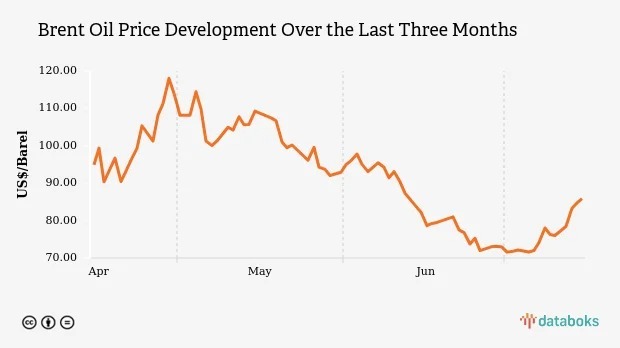
Oil prices have climbed above $90 a barrel as renewed U.S.–Iran tensions threaten energy supplies and shipping through the Strait of Hormuz. The shock is pushing government-bond yields higher and weighing on risk assets, with South Korea’s tech-heavy Kospi falling 4.5% on Monday amid additional concerns about stretched AI valuations.
In Europe, attention now turns to the European Central Bank’s July 23 meeting. After raising its deposit rate to 2.25% in June, the ECB is widely expected to pause—but another sustained rise in energy prices could keep further tightening firmly on the table.
The takeaway for investors and businesses is straightforward: oil, interest rates and AI valuations are becoming just as important as corporate earnings. Strong balance sheets, disciplined pricing and sufficient liquidity could matter more than chasing short-term market momentum.
This week, watch energy prices, central-bank language and whether upcoming earnings can justify elevated technology valuations.
This post is for informational purposes and is not investment advice.
#Finance #Markets #Investing #Economy #InterestRates #OilPrices #ECB #FinancialNews
In Europe, attention now turns to the European Central Bank’s July 23 meeting. After raising its deposit rate to 2.25% in June, the ECB is widely expected to pause—but another sustained rise in energy prices could keep further tightening firmly on the table.
The takeaway for investors and businesses is straightforward: oil, interest rates and AI valuations are becoming just as important as corporate earnings. Strong balance sheets, disciplined pricing and sufficient liquidity could matter more than chasing short-term market momentum.
This week, watch energy prices, central-bank language and whether upcoming earnings can justify elevated technology valuations.
This post is for informational purposes and is not investment advice.
#Finance #Markets #Investing #Economy #InterestRates #OilPrices #ECB #FinancialNews
4
Oil and bond yields return to the spotlight
Oil prices have climbed amid tensions surrounding the Strait of Hormuz, adding another layer of uncertainty for consumers, businesses, and central banks. Higher energy costs can raise transportation and production expenses, complicating efforts to bring inflation under control.
Bond markets are reflecting that uncertainty. U.S. 10-year Treasury yields are around 4.6%, while UK borrowing costs have also risen. Energy markets may now be as important to the interest-rate outlook as upcoming inflation data.
#OilPrices #Bonds #Commodities #GlobalEconomy #InterestRates
Oil prices have climbed amid tensions surrounding the Strait of Hormuz, adding another layer of uncertainty for consumers, businesses, and central banks. Higher energy costs can raise transportation and production expenses, complicating efforts to bring inflation under control.
Bond markets are reflecting that uncertainty. U.S. 10-year Treasury yields are around 4.6%, while UK borrowing costs have also risen. Energy markets may now be as important to the interest-rate outlook as upcoming inflation data.
#OilPrices #Bonds #Commodities #GlobalEconomy #InterestRates
4
Ai ajuns la finalul listei 🎉