
BRICS leaders called for reforms to the WTO, IMF and World Bank but stopped short of presenting a united front against the West. The 140-point declaration avoided naming the U.S. and omitted the Russia-Ukraine war. #BRICS #Geopolitics #GlobalEconomy
https://t.co/08Q9xUOP3K
https://t.co/08Q9xUOP3K
10


The global economy is walking a tightrope right now, and two massive developments in the Middle East just shook the safety net.
Here is why everyone needs to pay attention to what is happening with Saudi Arabia's energy corridors:
- The Pipeline Shutdown:Saudi Arabia was forced to temporarily shut down its vital East-West pipeline following drone attacks. This pipeline has been a literal lifeline, carrying roughly 4% to 5% of the world's daily oil supply across the peninsula to bypass regional conflict. Without it, the kingdom's export buffers are burning through fast.
- The "Twin Strait" Crisis: With the Strait of Hormuz heavily restricted, the world has relied heavily on the Red Sea route. Now, Houthi forces have seized strategic ground and effectively locked down the Bab el-Mandeb Strait—the critical second chokepoint connecting the Red Sea to global shipping lanes.
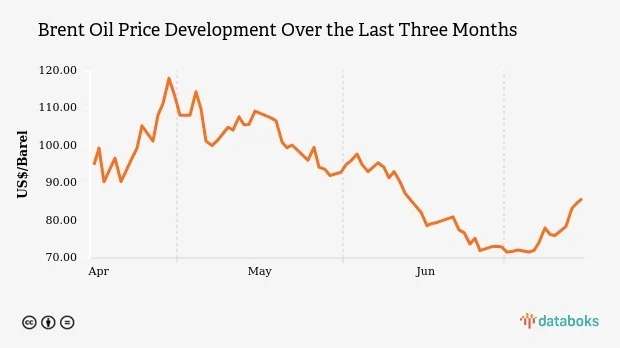
- The Global Impact: When the world's primary energy arteries are threatened simultaneously, supply chains feel the shock instantly. Brent crude has already surged past the $100 mark, signaling that localized conflicts in these vital corridors quickly translate into higher inflation, surging fuel costs, and economic pressure worldwide.
This isn't just a regional issue, when key global trade arteries are compromised, it impacts everything from shipping logistics to the price at the pump.
#EnergyCrisis #GlobalEconomy #OilMarkets #Geopolitics #SupplyChain #MiddleEast
3

🌍 Global Economy: This Week’s Key Developments
The global economy is confronting a renewed mix of energy shocks, inflation risks and uneven growth.
🛢️ Oil prices have surged above $95 a barrel as escalating conflict and disruption around major Middle Eastern shipping routes raise fears of tighter energy supplies. Higher fuel and transport costs could reignite inflation worldwide and squeeze households and businesses.
🇪🇺 The European Central Bank faces a difficult policy decision today. After raising rates in June, it is widely expected to pause—but policymakers may signal further increases if elevated energy prices continue feeding into inflation.
🇨🇳 China’s economic imbalance remains a global concern. Recent figures showed growth slowing to 4.3% in the second quarter, with strong exports offsetting weak consumer spending and investment.
🇬🇧 There was some positive inflation news: UK inflation fell to *2.6% in June*, although rising global energy prices could reverse part of that progress.
The bigger picture: the IMF expects global growth of *3.0% in 2026*, but warns that disinflation has stalled and geopolitical risks remain significant. AI-related investment is supporting activity, while energy-importing and vulnerable economies face increasing pressure.
#GlobalEconomy #EconomicNews #Inflation #CentralBanks #EnergyMarkets
3
Oil and bond yields return to the spotlight
Oil prices have climbed amid tensions surrounding the Strait of Hormuz, adding another layer of uncertainty for consumers, businesses, and central banks. Higher energy costs can raise transportation and production expenses, complicating efforts to bring inflation under control.
Bond markets are reflecting that uncertainty. U.S. 10-year Treasury yields are around 4.6%, while UK borrowing costs have also risen. Energy markets may now be as important to the interest-rate outlook as upcoming inflation data.
#OilPrices #Bonds #Commodities #GlobalEconomy #InterestRates
4

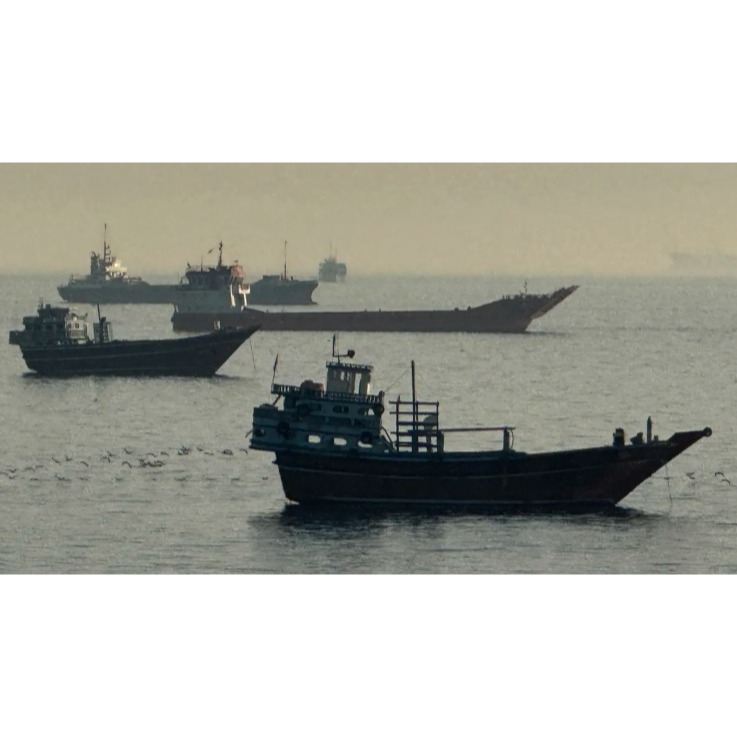
Markets may be hoping for a breakthrough, but both Iran and the U.S. are signaling that a deal is far from guaranteed.
The latest headlines show cautious diplomacy, rising geopolitical pressure, and global uncertainty still hanging over oil, inflation, and regional stability. Investors are reacting fast, but political reality remains much more complicated.
This isn’t just about the Middle East anymore. It’s about energy markets, global trade, and how fragile geopolitical “optimism” can be. 🌍
#Iran #USA #Geopolitics #OilMarkets #GlobalEconomy #MiddleEast
Source:
https://www.cnbc.com/
7