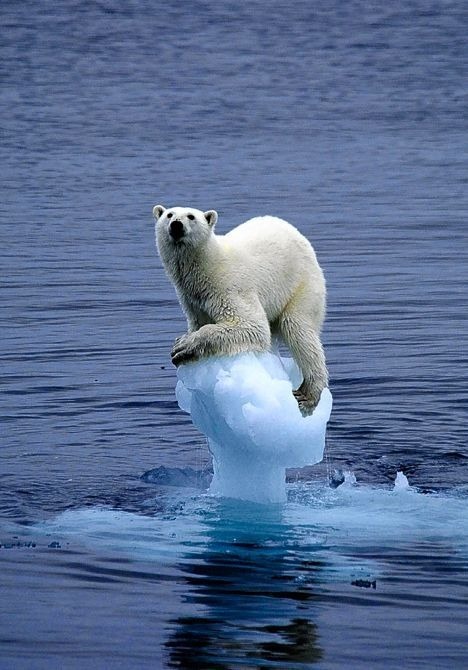

The world is about to cross a major climate line for the second time in three years, and this one looks harder to walk back.
The EU’s Copernicus climate service says 2026 will almost certainly come in more than 1.5°C warmer than pre-industrial levels. October was the warmest on record, and the last four years combined are on track to average above that mark too. An unusually strong El Niño is adding extra heat on top of human-driven warming. Officially, the 1.5°C goal only counts as broken when it’s based on a multi-year average, but scientists now say that’s unavoidable within the next five years, and the UN already assumes the target will be overshot.
So what does 1.5 degrees actually mean in daily life? It sounds tiny, but it’s an average across the entire planet, land, oceans and ice included. Small shifts in that average translate into big changes where you live:
🌡️ Hotter heatwaves. More days that are dangerously hot, especially in cities.
🌧️ Heavier storms and floods. A warmer atmosphere holds more water, so downpours get more intense.
🔥 Longer fire and drought seasons. Dry spells stretch out and wildfires spread more easily.
🛒 Pricier food and bills. Crop damage, insurance costs and cooling demand add up.
Every extra fraction of a degree makes these effects stronger, which is why scientists want the overshoot kept as small and short as possible, and temperatures brought back down by pulling CO2 out of the air.
Do you already notice the effects of a warming climate where you live? 🌍
#ClimateChange #Climate #Sustainability #Science #Environment