Ricerca hashtag

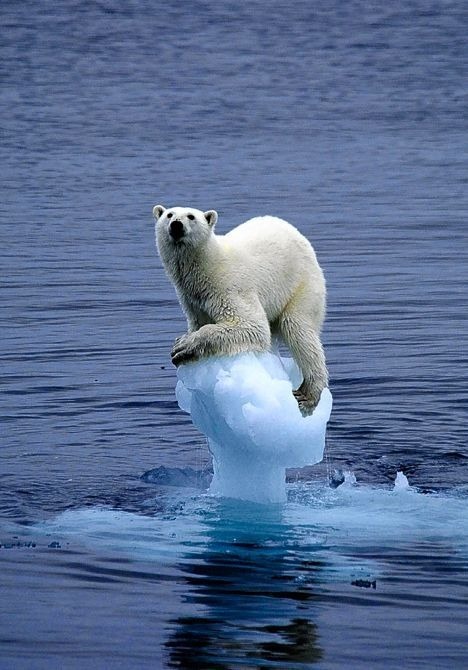
Global CO2 emissions just fell for only the third time this century, but it’s not the good news it sounds like. 🌍

The Global Carbon Project reports that emissions dropped 0.4% this year to 42.2 billion tons. Researchers say the cause isn’t a green breakthrough. It’s the Iran war and the disruption in the Strait of Hormuz. Oil emissions fell nearly 2% and natural gas slipped 0.3%, while coal emissions actually rose 0.6%.

How do they know the war is behind it? Study co-author Glen Peters explained that if renewables were driving the change, oil emissions would peak slowly and then decline gradually. Instead, they rose and then suddenly dropped “BANG, down 2%.” In his words, it’s “a little bit of good news, but for the wrong reasons.”

The only other drops this century came after the Great Recession in 2009 and during COVID-19 in 2020, so each one has followed a major global shock rather than steady progress.

For scale, Peters put it this way: if the CO2 we release each year were black instead of transparent, the sky would be dark. The full figures will be presented at the UN climate talks in Antalya, Turkey.

Can the world cut emissions through real change, or will it only happen when a crisis forces it? 🤔

#ClimateChange #CO2 #Emissions #Energy #Sustainability
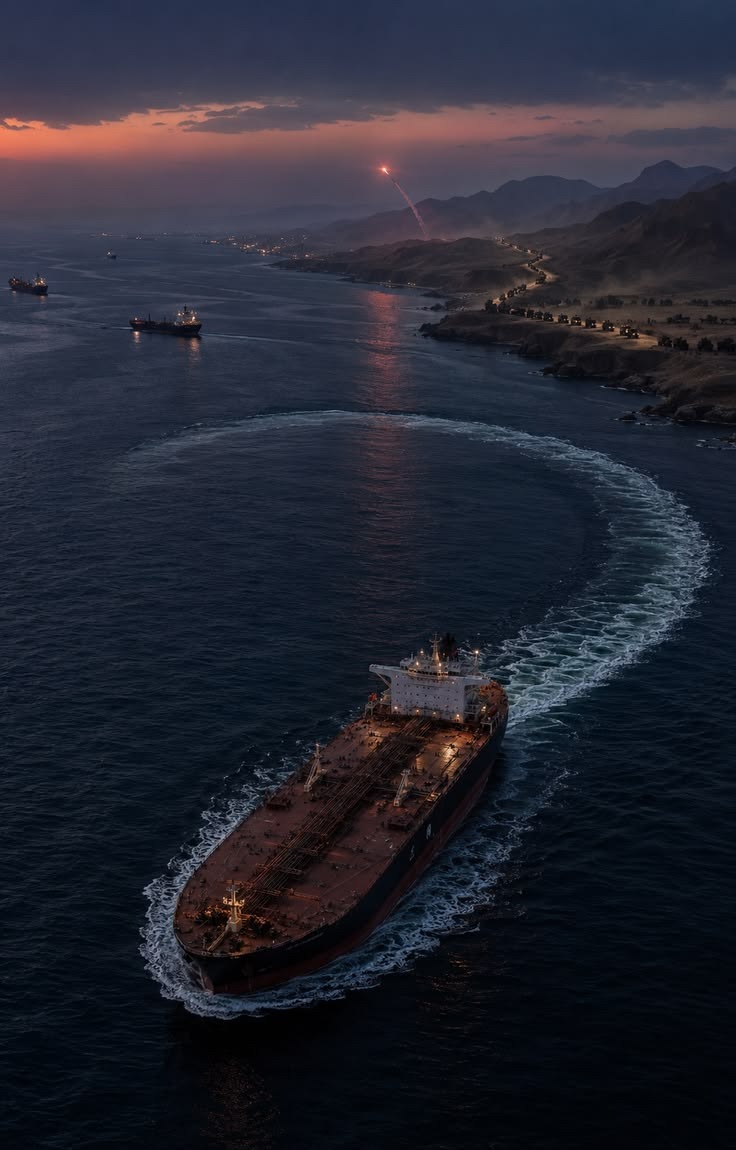
Immagine del post
1
The world is about to cross a major climate line for the second time in three years, and this one looks harder to walk back.

The EU’s Copernicus climate service says 2026 will almost certainly come in more than 1.5°C warmer than pre-industrial levels. October was the warmest on record, and the last four years combined are on track to average above that mark too. An unusually strong El Niño is adding extra heat on top of human-driven warming. Officially, the 1.5°C goal only counts as broken when it’s based on a multi-year average, but scientists now say that’s unavoidable within the next five years, and the UN already assumes the target will be overshot.

So what does 1.5 degrees actually mean in daily life? It sounds tiny, but it’s an average across the entire planet, land, oceans and ice included. Small shifts in that average translate into big changes where you live:

🌡️ Hotter heatwaves. More days that are dangerously hot, especially in cities.
🌧️ Heavier storms and floods. A warmer atmosphere holds more water, so downpours get more intense.
🔥 Longer fire and drought seasons. Dry spells stretch out and wildfires spread more easily.
🛒 Pricier food and bills. Crop damage, insurance costs and cooling demand add up.

Every extra fraction of a degree makes these effects stronger, which is why scientists want the overshoot kept as small and short as possible, and temperatures brought back down by pulling CO2 out of the air.

Do you already notice the effects of a warming climate where you live? 🌍

#ClimateChange #Climate #Sustainability #Science #Environment
Immagine del post
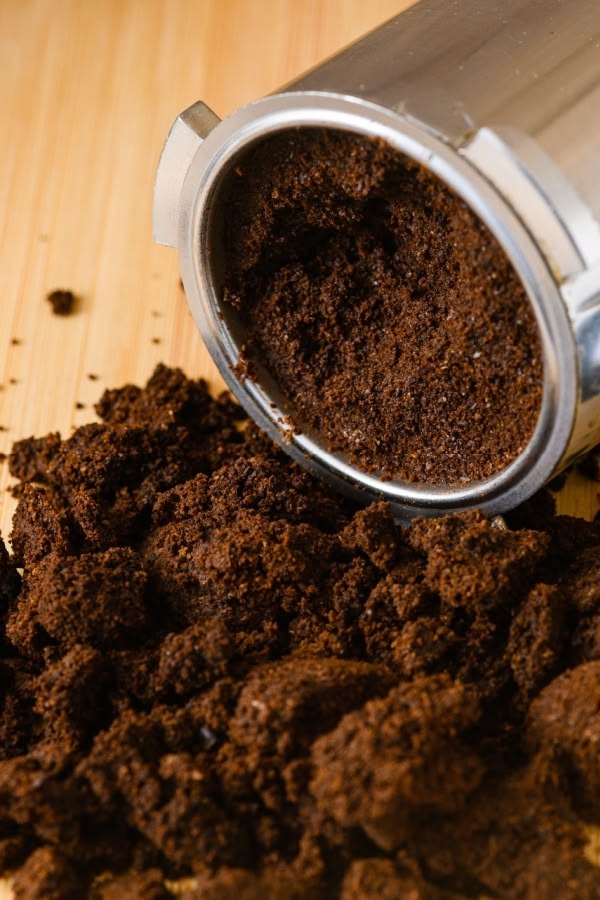
Your morning coffee might end up under your feet. Researchers at RMIT University in Australia found that charred coffee grounds can make concrete up to 30% stronger.

The world produces about 10 billion kilograms of coffee waste every year, and most of it ends up in landfills, where it releases methane and carbon dioxide. At the same time, the construction boom keeps driving demand for sand, which is mined from riverbeds and banks at a real environmental cost.

The team’s fix tackles both problems. Raw coffee grounds can’t go straight into concrete because they leak chemicals that weaken it, so the researchers heat them above 350 °C without oxygen. That turns the grounds into biochar, a porous, carbon-rich material that bonds into the cement and replaces some of the sand.

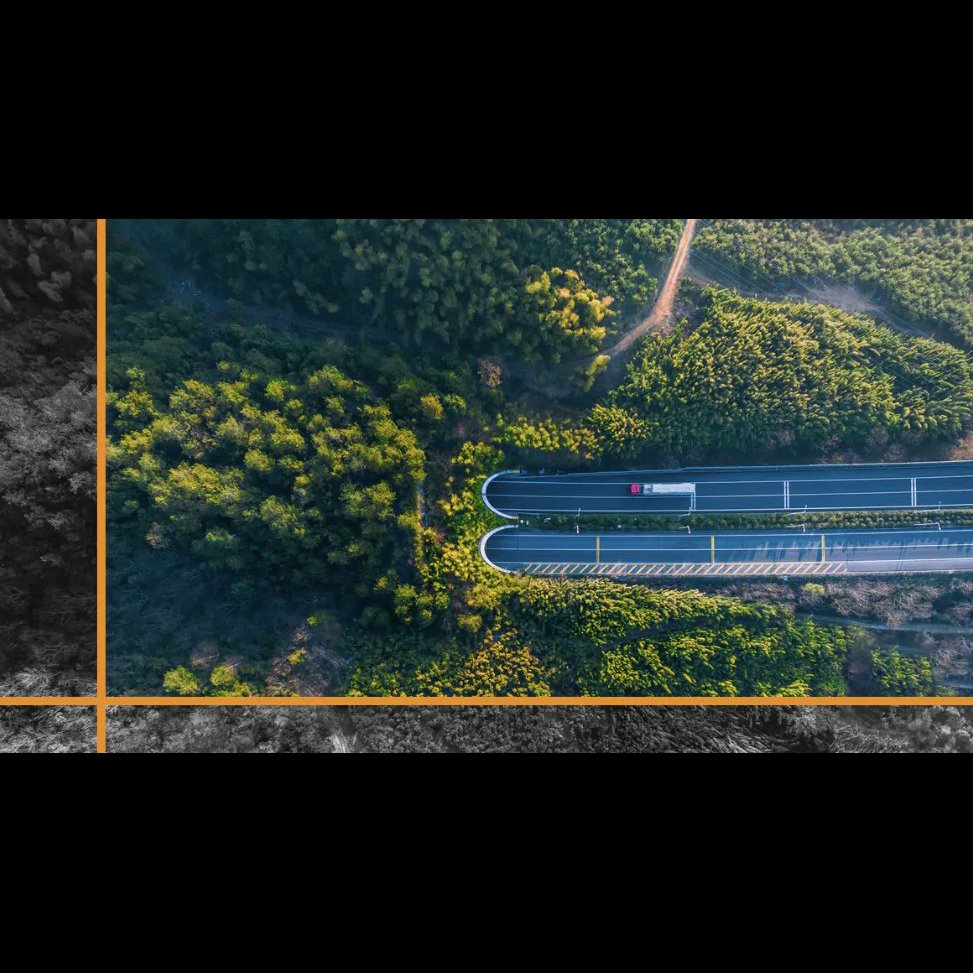
It’s already leaving the lab. A footpath in Victoria was built with the material in 2024, and a major road upgrade project later used it too, keeping roughly 140,000 coffees’ worth of grounds out of landfill and saving over 3 tons of sand.

The researchers are honest that it’s early days. Long-term durability still needs testing against freeze/thaw cycles, water absorption and wear, and they’re working on biochars from wood, food and agricultural waste as well.

Would you be happy to walk on a sidewalk made from your morning latte? ☕

#Sustainability #CircularEconomy #Concrete #Innovation #Science
Immagine del post
4
Europe’s biggest challenges — climate change, affordable housing, energy security and social resilience — cannot be solved by governments or markets acting alone.

The social economy should be treated as a strategic partner for Europe, not simply as a sector to support.

Cooperatives, social enterprises, associations and community-led initiatives already demonstrate how local ownership and participation can translate European ambitions into practical solutions — from housing and climate adaptation to renewable energy.

And the scale is significant. The European Commission’s latest review describes more than 4.3 million social economy organisations supporting at least 11.5 million jobs across the EU.

As discussions around Europe’s next long-term budget intensify, the question should therefore not only be how do we fund the social economy?

It should also be: how do we make the social economy a genuine partner in delivering Europe’s future?

#SocialEconomy #SocialEnterprise #EuropeanUnion #Impact #Sustainability #CommunityEnergy #EU
1
As climate-related considerations become more integrated into business planning, asking the right questions matters. A thoughtful perspective on strategy, growth, and navigating uncertainty. https://t.co/KEKojYp0R4

#Sustainability
#Innovation https://t.co/Frm74lralB
Immagine del post