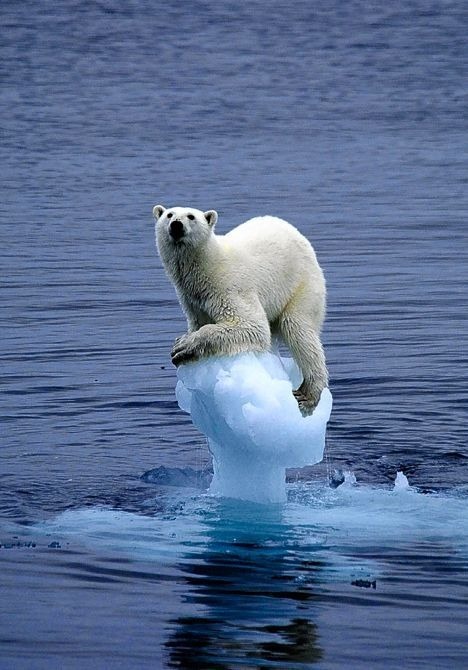

Global CO2 emissions just fell for only the third time this century, but it’s not the good news it sounds like. 🌍
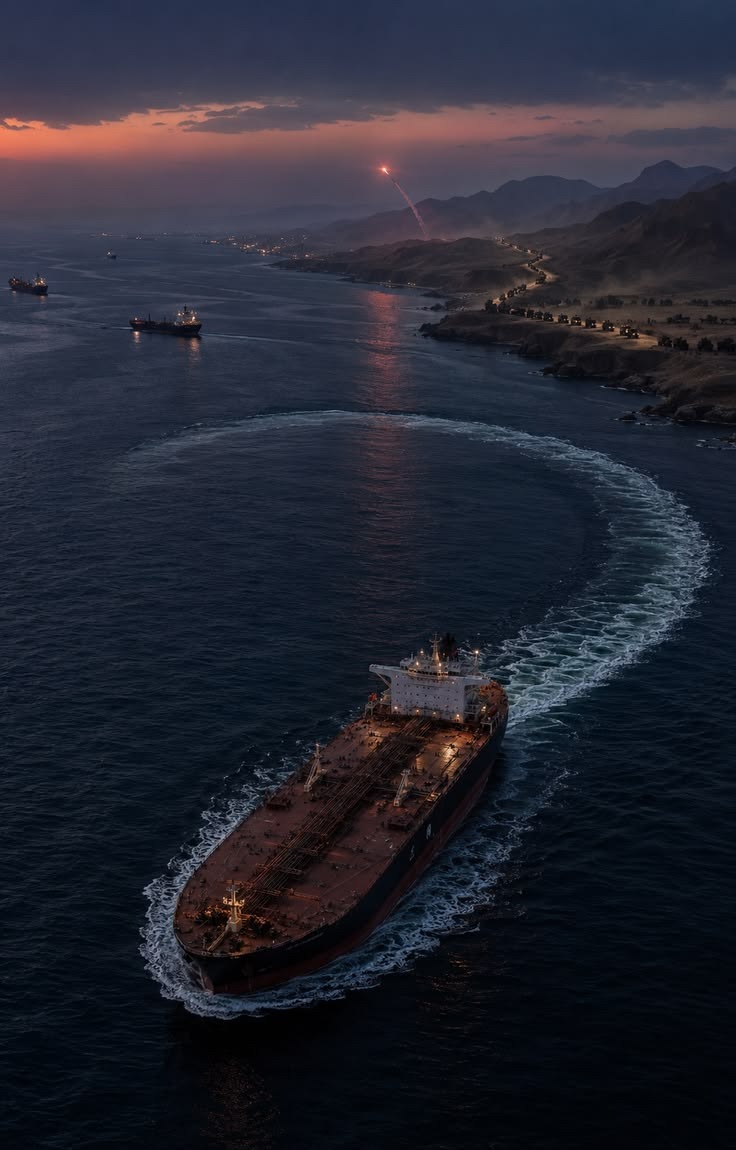
The Global Carbon Project reports that emissions dropped 0.4% this year to 42.2 billion tons. Researchers say the cause isn’t a green breakthrough. It’s the Iran war and the disruption in the Strait of Hormuz. Oil emissions fell nearly 2% and natural gas slipped 0.3%, while coal emissions actually rose 0.6%.
How do they know the war is behind it? Study co-author Glen Peters explained that if renewables were driving the change, oil emissions would peak slowly and then decline gradually. Instead, they rose and then suddenly dropped “BANG, down 2%.” In his words, it’s “a little bit of good news, but for the wrong reasons.”
The only other drops this century came after the Great Recession in 2009 and during COVID-19 in 2020, so each one has followed a major global shock rather than steady progress.
For scale, Peters put it this way: if the CO2 we release each year were black instead of transparent, the sky would be dark. The full figures will be presented at the UN climate talks in Antalya, Turkey.
Can the world cut emissions through real change, or will it only happen when a crisis forces it? 🤔
#ClimateChange #CO2 #Emissions #Energy #Sustainability
1