
🚨 US 10-year Treasury yields have climbed above 5%, reaching levels briefly seen in 2023 and, before that, in 2007.
The sharp bond sell-off comes as traders reassess the outlook for US monetary policy, with higher oil prices reviving inflation concerns and raising the possibility that the Federal Reserve may need to keep rates higher for longer — or even hike again.
The 10-year yield started the year at 4.15%, fell below 4% in February, and has since surged toward 5%.
Why it matters: the 10-year Treasury is a key benchmark for borrowing costs across the economy, influencing mortgages, corporate financing and other loans.
🇷🇴 In Romania, the 10-year government bond yield also edged higher to 7.23%, up 0.01 percentage points on the day and 0.3 points over the past month.
#Markets #Bonds #Treasuries #FederalReserve #InterestRates #Inflation #Romania #Economy
The sharp bond sell-off comes as traders reassess the outlook for US monetary policy, with higher oil prices reviving inflation concerns and raising the possibility that the Federal Reserve may need to keep rates higher for longer — or even hike again.
The 10-year yield started the year at 4.15%, fell below 4% in February, and has since surged toward 5%.
Why it matters: the 10-year Treasury is a key benchmark for borrowing costs across the economy, influencing mortgages, corporate financing and other loans.
🇷🇴 In Romania, the 10-year government bond yield also edged higher to 7.23%, up 0.01 percentage points on the day and 0.3 points over the past month.
#Markets #Bonds #Treasuries #FederalReserve #InterestRates #Inflation #Romania #Economy
Grafico US10Y
di TradingView
1

📊 **Finance markets are entering another high-volatility phase.**
Oil prices have surged above **$100 a barrel**, with Brent recently approaching **$109**, as escalating Middle East tensions raise concerns about global energy supplies. The knock-on effect is hitting bonds, inflation expectations and equities.
📈 U.S. Treasury yields are climbing sharply, with the **10-year yield approaching 5%** and the 30-year reaching levels not seen in nearly two decades. Investors are increasingly questioning how long borrowing costs can remain this elevated.
🏦 Meanwhile, the **European Central Bank raised rates to 2.5%**, warning that inflation could remain higher for longer. In the U.S., markets are assigning roughly a **70% probability of another Fed rate increase**, making upcoming inflation data especially important.
The big theme: **energy → inflation → higher rates → pressure on asset prices.**
For investors, the next few days could be less about chasing returns and more about managing duration, volatility and geopolitical risk.
#Finance #Investing #Markets #Economy #Inflation #InterestRates #Oil #FederalReserve #ECB
Oil prices have surged above **$100 a barrel**, with Brent recently approaching **$109**, as escalating Middle East tensions raise concerns about global energy supplies. The knock-on effect is hitting bonds, inflation expectations and equities.
📈 U.S. Treasury yields are climbing sharply, with the **10-year yield approaching 5%** and the 30-year reaching levels not seen in nearly two decades. Investors are increasingly questioning how long borrowing costs can remain this elevated.
🏦 Meanwhile, the **European Central Bank raised rates to 2.5%**, warning that inflation could remain higher for longer. In the U.S., markets are assigning roughly a **70% probability of another Fed rate increase**, making upcoming inflation data especially important.
The big theme: **energy → inflation → higher rates → pressure on asset prices.**
For investors, the next few days could be less about chasing returns and more about managing duration, volatility and geopolitical risk.
#Finance #Investing #Markets #Economy #Inflation #InterestRates #Oil #FederalReserve #ECB
1
📊 **Markets are back on inflation watch.**
Global markets are starting September 8 on a cautious note as **Brent crude approaches $100 a barrel** following renewed attacks on Saudi energy infrastructure. The surge is reviving concerns about supply disruptions—and about what higher energy costs could mean for inflation.
U.S. stock futures have weakened, Asian equities are under pressure, and Treasury yields are edging higher as investors reassess the outlook for interest rates. Attention now turns to upcoming U.S. inflation data, which could play a major role in shaping expectations for the Federal Reserve’s September decision.
Meanwhile, the longer-term debt picture remains challenging: OECD governments are collectively facing **more than $2 trillion in annual debt-servicing costs**, highlighting just how expensive the higher-rate environment has become.
**The big takeaway:** oil, inflation, interest rates, and bond yields are once again moving to the center of the market narrative—and their next moves could set the tone for equities, currencies, and fixed income.
#Finance #Markets #Investing #StockMarket #Oil #Inflation #FederalReserve #Bonds #Economy
Global markets are starting September 8 on a cautious note as **Brent crude approaches $100 a barrel** following renewed attacks on Saudi energy infrastructure. The surge is reviving concerns about supply disruptions—and about what higher energy costs could mean for inflation.
U.S. stock futures have weakened, Asian equities are under pressure, and Treasury yields are edging higher as investors reassess the outlook for interest rates. Attention now turns to upcoming U.S. inflation data, which could play a major role in shaping expectations for the Federal Reserve’s September decision.
Meanwhile, the longer-term debt picture remains challenging: OECD governments are collectively facing **more than $2 trillion in annual debt-servicing costs**, highlighting just how expensive the higher-rate environment has become.
**The big takeaway:** oil, inflation, interest rates, and bond yields are once again moving to the center of the market narrative—and their next moves could set the tone for equities, currencies, and fixed income.
#Finance #Markets #Investing #StockMarket #Oil #Inflation #FederalReserve #Bonds #Economy
1
🌍 **Markets are starting the week with a new inflation dilemma.**
Oil is back near **$97/barrel for Brent**, as geopolitical tensions around the Strait of Hormuz raise concerns about energy supply. That matters because higher energy prices can feed directly into inflation — and potentially keep interest rates higher for longer.
At the same time, Asian tech stocks are rallying, helped by optimism around AI and stronger economic data. But investors are facing a difficult balancing act: **growth vs. inflation, risk appetite vs. higher yields.**
🇷🇴 **Romania is worth watching too.**
The BET index closed Friday at **34,414 points, down 1.03%**, after reaching an intraday high of almost 34,969. The index remains heavily influenced by banks and energy names such as Banca Transilvania, OMV Petrom, Romgaz and Hidroelectrica.
One particularly interesting development: **Electro-Alfa International could enter the BET index**, potentially replacing Sphera Franchise Group following the latest index review.
📌 **The big question for investors this week:**
If energy prices remain elevated, will inflation become the dominant market story again — and how will that affect Romanian equities and bonds?
#Finance #Markets #Investing #Romania #BVB #BET #Stocks #Inflation #InterestRates #Oil #Economy
Oil is back near **$97/barrel for Brent**, as geopolitical tensions around the Strait of Hormuz raise concerns about energy supply. That matters because higher energy prices can feed directly into inflation — and potentially keep interest rates higher for longer.
At the same time, Asian tech stocks are rallying, helped by optimism around AI and stronger economic data. But investors are facing a difficult balancing act: **growth vs. inflation, risk appetite vs. higher yields.**
🇷🇴 **Romania is worth watching too.**
The BET index closed Friday at **34,414 points, down 1.03%**, after reaching an intraday high of almost 34,969. The index remains heavily influenced by banks and energy names such as Banca Transilvania, OMV Petrom, Romgaz and Hidroelectrica.
One particularly interesting development: **Electro-Alfa International could enter the BET index**, potentially replacing Sphera Franchise Group following the latest index review.
📌 **The big question for investors this week:**
If energy prices remain elevated, will inflation become the dominant market story again — and how will that affect Romanian equities and bonds?
#Finance #Markets #Investing #Romania #BVB #BET #Stocks #Inflation #InterestRates #Oil #Economy

7
🏦 Another central bank is tightening.
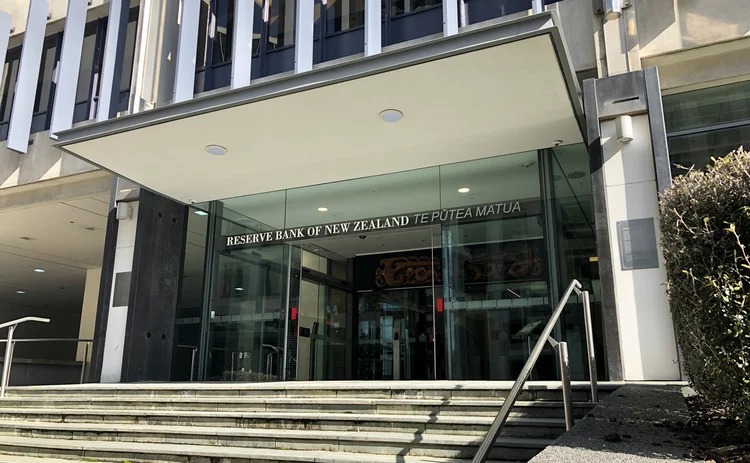
The Reserve Bank of New Zealand raised its Official Cash Rate by **25 basis points to 2.75%**, responding to inflation that reached **4.1%** in the June quarter.
Higher fuel prices have been a major driver, and the RBNZ says further tightening may still be needed as it works to bring inflation back toward 2%.
It’s another reminder that the global rate story isn’t simply “cuts are coming.” Inflation — especially energy-driven inflation — can change the path quickly.
#CentralBanks #InterestRates #Inflation #Finance #Economy
The Reserve Bank of New Zealand raised its Official Cash Rate by **25 basis points to 2.75%**, responding to inflation that reached **4.1%** in the June quarter.
Higher fuel prices have been a major driver, and the RBNZ says further tightening may still be needed as it works to bring inflation back toward 2%.
It’s another reminder that the global rate story isn’t simply “cuts are coming.” Inflation — especially energy-driven inflation — can change the path quickly.
#CentralBanks #InterestRates #Inflation #Finance #Economy