Hashtag search

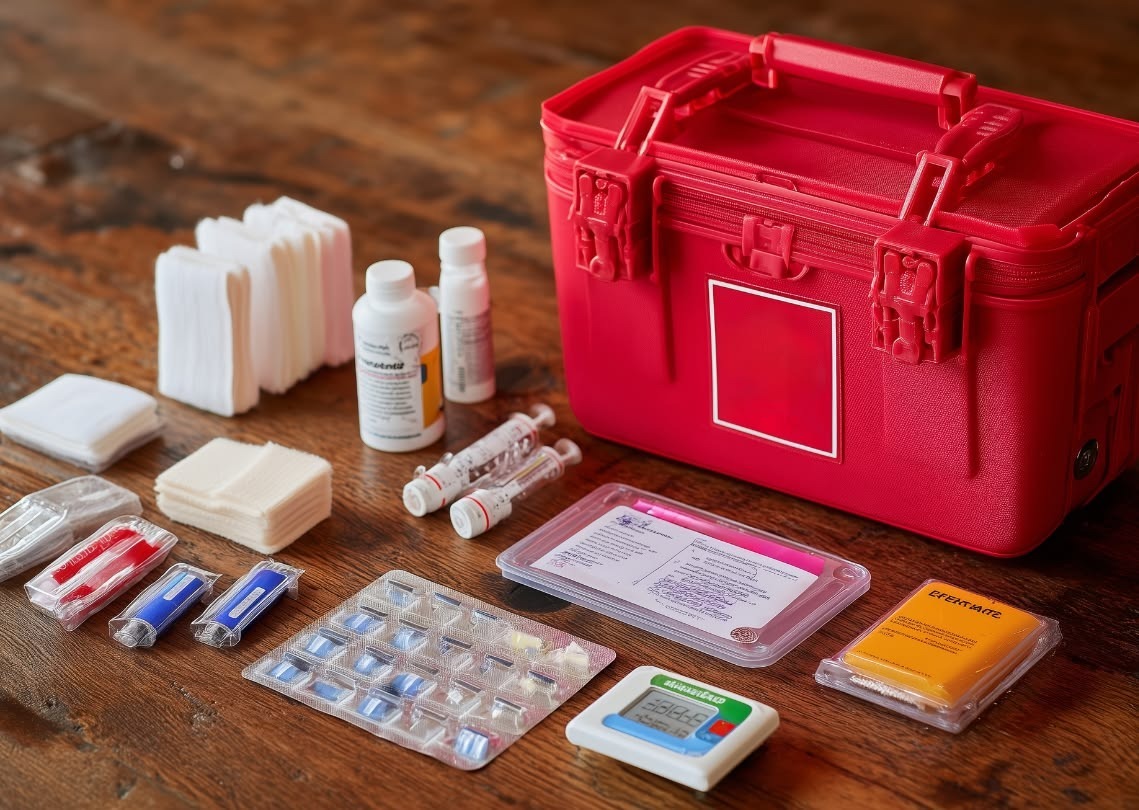
Imagine a powder that stops serious bleeding in about one second. 🩸

Scientists at KAIST in South Korea have created one, called AGCL. When it touches blood, it instantly turns from a dry powder into a sticky gel that seals the wound. Calcium in the blood is what triggers the reaction, and the gel grips the tissue so it stays in place.

Why a powder? Regular bandages are flat, so they struggle with deep or oddly shaped wounds. A powder can flow into tight spaces and fill them, which is exactly where bleeding is hardest to control.

In lab and animal tests, the results were impressive:
🔹 It soaked up about 7 times its own weight in blood
🔹 It stayed stuck to wet, moving tissue
🔹 It beat a commercial product called TachoSil at reducing blood loss and stopping bleeding faster
🔹 It showed signs of healing, with new blood vessels and collagen forming
🔹 It stays effective for up to 24 months in normal storage

The important catch: this has only been tested on animals so far. It’s still experimental, and human studies are needed before anyone knows if it’s safe and effective for people.

If a simple powder could one day be in every first aid kit, how much safer would that make you feel? 🚑

#Science #Medicine #Healthcare #Innovation #FirstAid
Post image
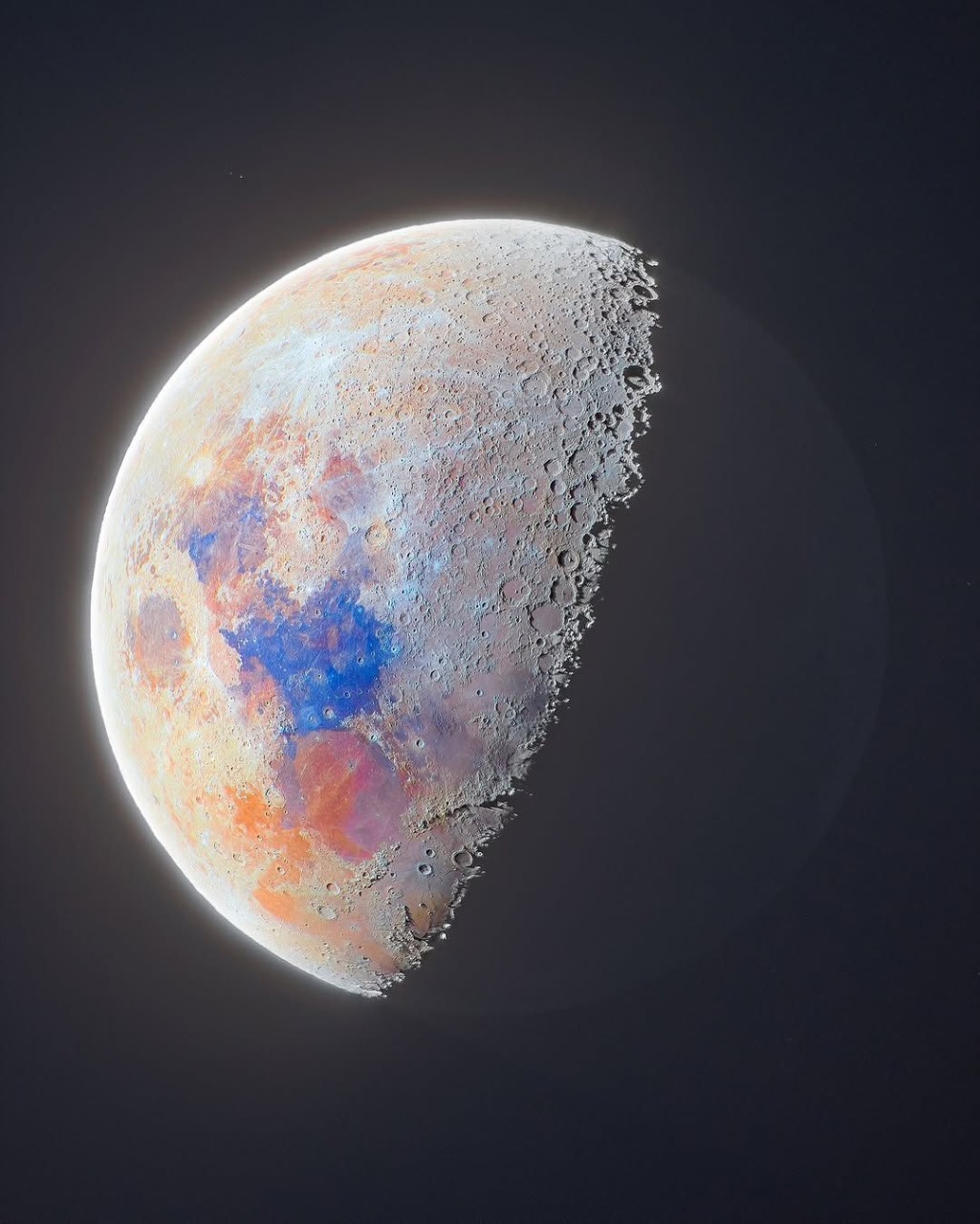
arth has a new mini-moon, and it’s only here for a short visit. 🌙

An asteroid called 2026 QQ8 was captured by Earth’s gravity in April and is now looping around our planet. It was first spotted by Hungarian astronomer Krisztián Sárneczky, a prolific asteroid hunter, and only recently reported by the International Astronomical Union’s Minor Planet Center.

Don’t expect to see it in the night sky. It’s only about 2 meters wide, and at its closest it will pass roughly 568,000 kilometers away, about 1.5 times the distance to the real Moon. After one and a half loops, it will escape Earth’s pull in 2027. It poses no risk, since something that small would burn up in the atmosphere.

This isn’t unusual. A study last year suggested there could be up to six temporary mini-moons around Earth at any given time. Some may even be chunks of the Moon itself, blasted into space by old impacts. One example is Kamoʻoalewa, a 40-meter asteroid whose spectrum closely resembles lunar rock.

So our planet is quietly collecting and releasing tiny visitors all the time, and most of us never notice.

If you could name Earth’s newest temporary moon, what would you call it? 🔭

#Space #Astronomy #Moon #Asteroid #Science
Post image
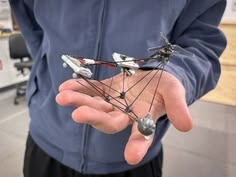
Scientists just made a drone that’s almost invisible, and the trick is surprisingly simple: spin it really fast. 🚁

Engineers at Northwestern University built the Phantom Twist, a palm-sized drone that weighs little more than an ounce and spins 25 times per second. At that speed, the human eye can’t keep up, so instead of a drone you see a faint haze.

It isn’t truly invisible. Our eyes collect light over a short window of time, a bit like a camera’s exposure, so anything spinning fast enough blurs into the background. The drone is also almost entirely transparent, which helps it blend in even more. Rather than hiding the drone with cameras or special materials, the team designed it around how humans perceive motion.

To get the design right, they used AI to generate up to 20,000 possible drone layouts, then let optimization software find the one that flies steadily and disappears best.

The researchers see uses in inspecting infrastructure without distracting drivers and in tracking wildlife less invasively. There’s one catch: it’s still pretty noisy, so future versions will need quieter propulsion and more transparent parts to live up to the ghostly name.

Spinning fast enough to disappear: is this genius engineering or a little bit spooky? 🤔

#Drones #Science #Engineering #Innovation #Robotics
Post image
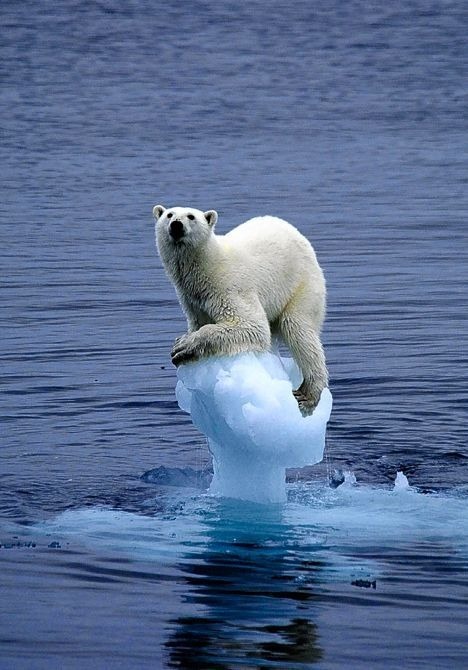
The world is about to cross a major climate line for the second time in three years, and this one looks harder to walk back.

The EU’s Copernicus climate service says 2026 will almost certainly come in more than 1.5°C warmer than pre-industrial levels. October was the warmest on record, and the last four years combined are on track to average above that mark too. An unusually strong El Niño is adding extra heat on top of human-driven warming. Officially, the 1.5°C goal only counts as broken when it’s based on a multi-year average, but scientists now say that’s unavoidable within the next five years, and the UN already assumes the target will be overshot.

So what does 1.5 degrees actually mean in daily life? It sounds tiny, but it’s an average across the entire planet, land, oceans and ice included. Small shifts in that average translate into big changes where you live:

🌡️ Hotter heatwaves. More days that are dangerously hot, especially in cities.
🌧️ Heavier storms and floods. A warmer atmosphere holds more water, so downpours get more intense.
🔥 Longer fire and drought seasons. Dry spells stretch out and wildfires spread more easily.
🛒 Pricier food and bills. Crop damage, insurance costs and cooling demand add up.

Every extra fraction of a degree makes these effects stronger, which is why scientists want the overshoot kept as small and short as possible, and temperatures brought back down by pulling CO2 out of the air.

Do you already notice the effects of a warming climate where you live? 🌍

#ClimateChange #Climate #Sustainability #Science #Environment
Post image
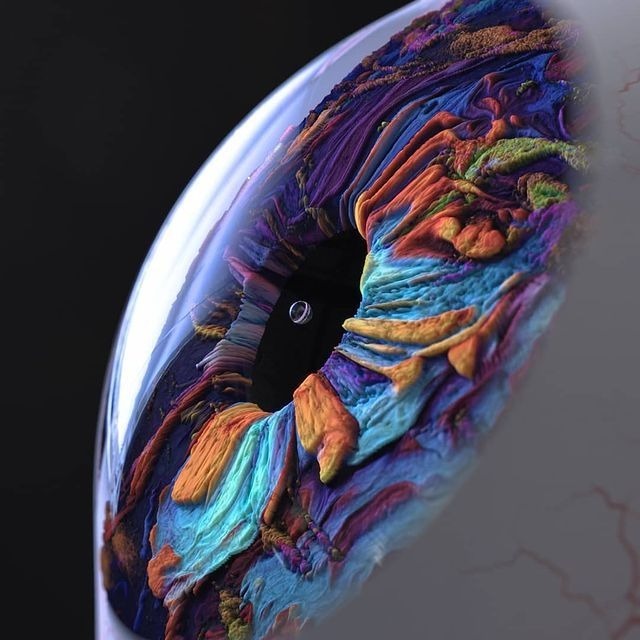
Scientists have grown a tiny human eye lens in the lab for the first time, and it could change how we treat cataracts.

Researchers in the UK and Japan took adult cells, reprogrammed them into a stem cell-like state, and spent eight weeks coaxing them to organize into mini lenses. The result closely resembles the real thing, with many of the key biological features of a natural human lens.

That matters because developing human lens tissue is very hard to get and study. These lab-grown versions give scientists a new way to test medicines, understand vision diseases and investigate genetic lens disorders that some children are born with.

The longer-term hope is regenerative treatment. Cataracts, where the lens turns cloudy, are currently fixed by replacing the lens with an artificial one. It’s the most common procedure on the NHS, with about 650,000 operations a year. Researchers hope this work could one day reduce the need for full replacement surgery.

It’s still early, and for now these are mini lenses for research rather than a treatment. But it’s a meaningful step toward a very different future for eye care.

If your own cells could one day be used to regrow part of your eye, would you choose that over an artificial replacement? 👁️

#Science #EyeHealth #StemCells #Healthcare #Innovation
Post image