Europe’s biggest challenges — climate change, affordable housing, energy security and social resilience — cannot be solved by governments or markets acting alone.
The social economy should be treated as a strategic partner for Europe, not simply as a sector to support.
Cooperatives, social enterprises, associations and community-led initiatives already demonstrate how local ownership and participation can translate European ambitions into practical solutions — from housing and climate adaptation to renewable energy.
And the scale is significant. The European Commission’s latest review describes more than 4.3 million social economy organisations supporting at least 11.5 million jobs across the EU.
As discussions around Europe’s next long-term budget intensify, the question should therefore not only be how do we fund the social economy?
It should also be: how do we make the social economy a genuine partner in delivering Europe’s future?
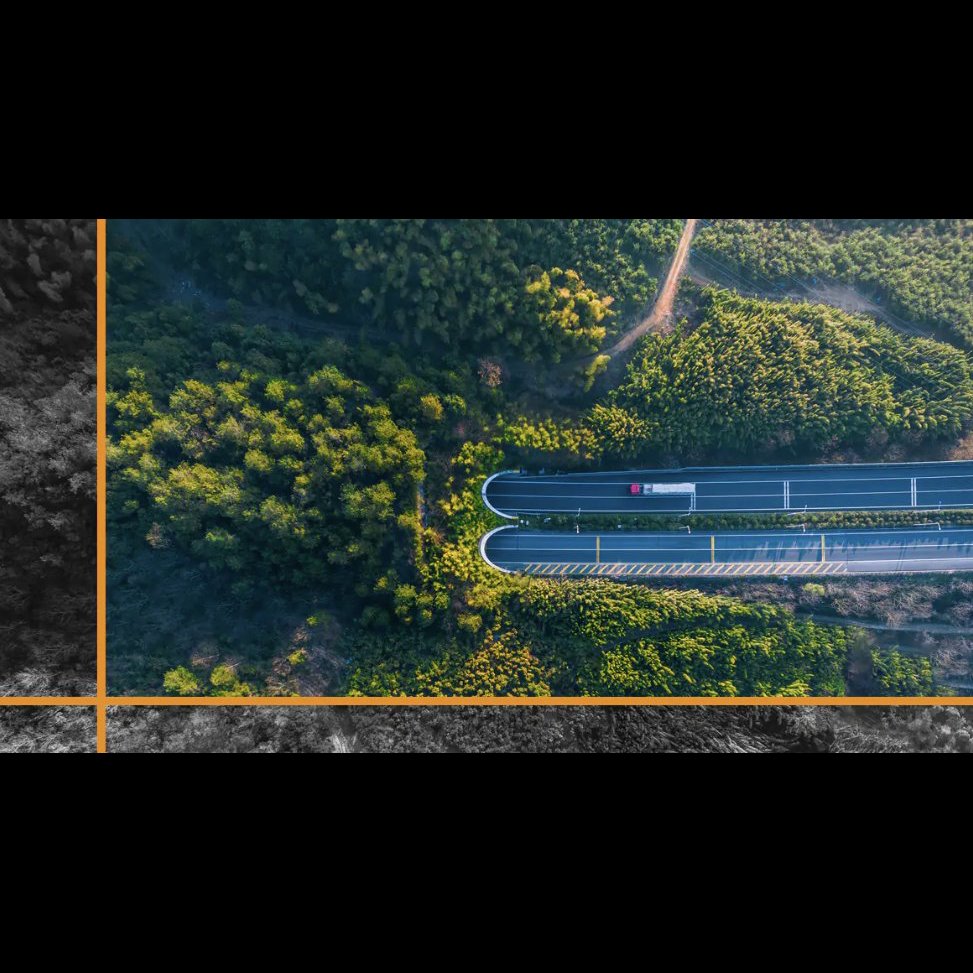
As climate-related considerations become more integrated into business planning, asking the right questions matters. A thoughtful perspective on strategy, growth, and navigating uncertainty. https://t.co/KEKojYp0R4
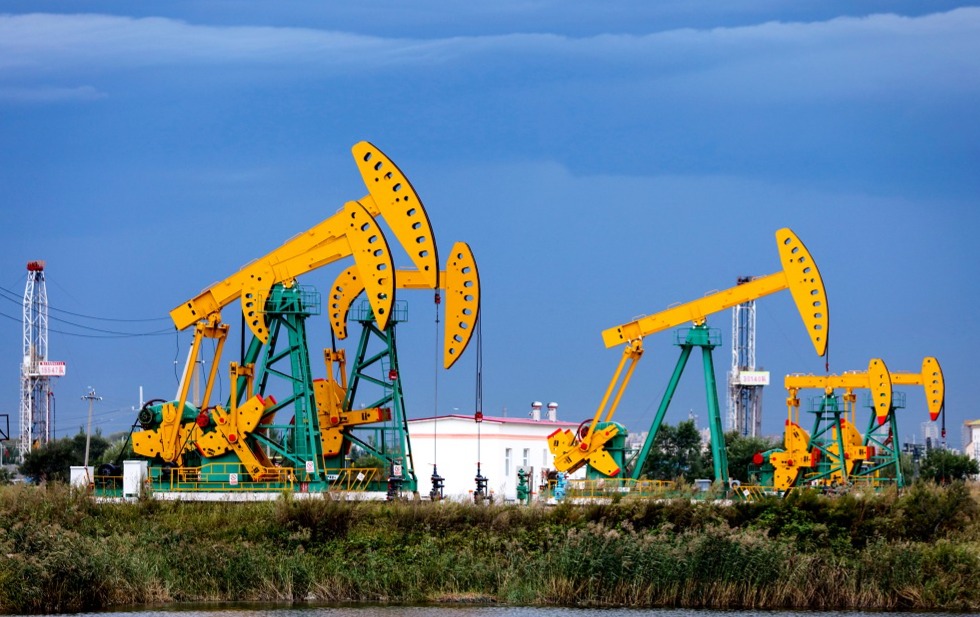
A major shift is underway in the world’s largest crude oil importer. 📉🛢️
The recent Iran conflict appears to have accelerated China’s move toward electric vehicles, reducing long-term demand for gasoline and diesel. As oil imports fall and EV adoption grows, the ripple effects could reshape global energy markets for years to come.
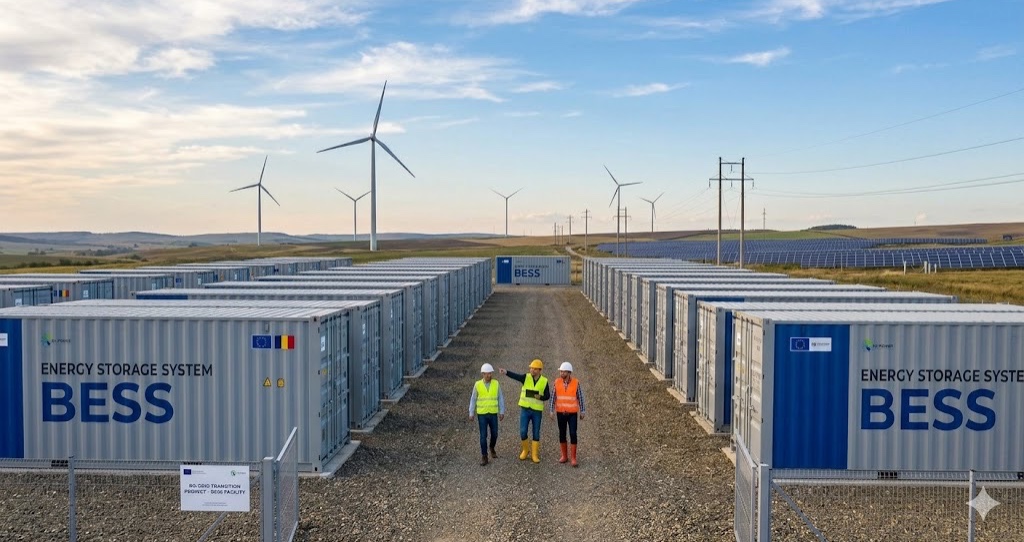
Europe’s energy transition is entering a new phase — and battery storage is becoming the backbone of a resilient power system. With renewable energy expanding rapidly, the real challenge is no longer just producing clean energy, but storing and balancing it efficiently. Across Europe, large-scale battery projects are accelerating at record speed, driven by rising electrification, data center growth, and the increasing need for grid flexibility. Romania is quickly positioning itself as one of the key emerging markets in this transformation, with major utility-scale storage projects already moving from planning to execution. The opportunity is massive. The capital is there. The technology is ready. What will define the next winners is execution, expertise, and the ability to deliver projects at scale. ⚡🔋 #EnergyTransition#BatteryStorage#RenewableEnergy#CleanEnergy#NetZero#EnergyInfrastructure#Romania#Europe#Sustainability#GreenEnergy
Europe’s energy transition is entering a new phase — and battery storage is becoming the backbone of a resilient power system. With renewable energy expanding rapidly, the real challenge is no longer just producing clean energy, but storing and balancing it efficiently. Across Europe, large-scale battery projects are accelerating at record speed, driven by rising electrification, data center growth, and the increasing need for grid flexibility. Romania is quickly positioning itself as one of the key emerging markets in this transformation, with major utility-scale storage projects already moving from planning to execution. The opportunity is massive. The capital is there. The technology is ready. What will define the next winners is execution, expertise, and the ability to deliver projects at scale. ⚡🔋 #EnergyTransition#BatteryStorage#RenewableEnergy#CleanEnergy#NetZero#EnergyInfrastructure#Romania#Europe#Sustainability#GreenEnergy
3
Cookies allow you to use this website normally and customize your experience on this website.