Hashtag search

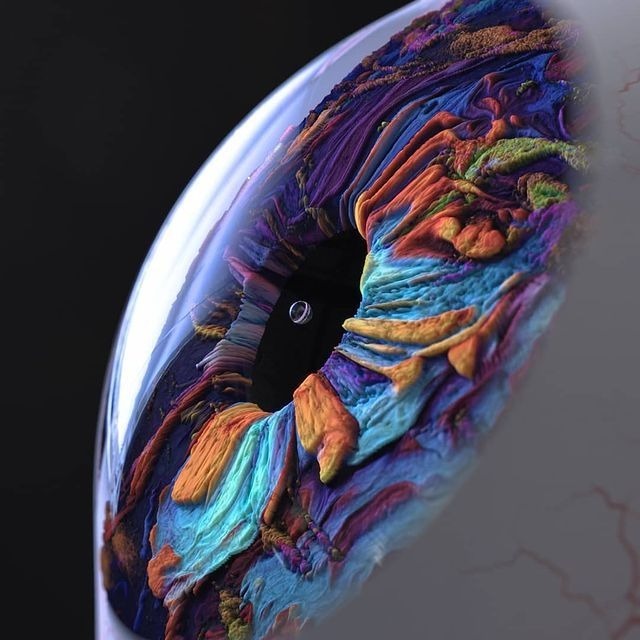
Scientists have grown a tiny human eye lens in the lab for the first time, and it could change how we treat cataracts.

Researchers in the UK and Japan took adult cells, reprogrammed them into a stem cell-like state, and spent eight weeks coaxing them to organize into mini lenses. The result closely resembles the real thing, with many of the key biological features of a natural human lens.

That matters because developing human lens tissue is very hard to get and study. These lab-grown versions give scientists a new way to test medicines, understand vision diseases and investigate genetic lens disorders that some children are born with.

The longer-term hope is regenerative treatment. Cataracts, where the lens turns cloudy, are currently fixed by replacing the lens with an artificial one. It’s the most common procedure on the NHS, with about 650,000 operations a year. Researchers hope this work could one day reduce the need for full replacement surgery.

It’s still early, and for now these are mini lenses for research rather than a treatment. But it’s a meaningful step toward a very different future for eye care.

If your own cells could one day be used to regrow part of your eye, would you choose that over an artificial replacement? 👁️

#Science #EyeHealth #StemCells #Healthcare #Innovation
Post image
What if finding the perfect material for a new battery was as easy as ordering dinner?

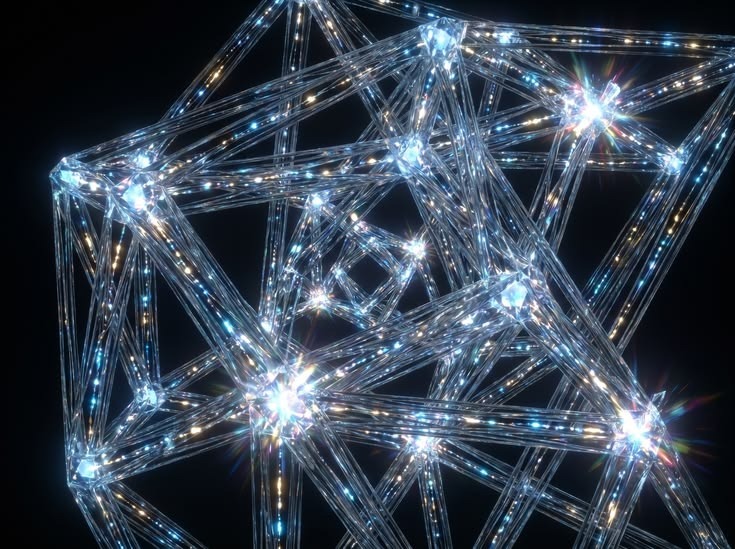
That’s the idea behind a new AI model from MIT. Most materials we rely on, from batteries to electronics, are crystals, which are atoms arranged in precise 3D patterns. The trouble is that today’s AI language models learn from text, not from 3D structures, and the scientific literature mostly covers a handful of well-studied crystal types. So the AI ends up with a narrow, flat view of the material world.

The MIT team built a model that can “see” both the atomic structure and the language describing it. They trained it to pair 3D crystal structures with rich written descriptions covering properties, how the material is made, and what it could be used for. It’s a bit like teaching a brain to link what it sees with what it reads.

The results are promising. When asked to find materials for solid-state lithium-ion battery electrolytes, the model’s top picks included materials that other researchers had independently flagged as promising. It also outperformed models trained on text alone.

The researchers hope it becomes for materials science what AlphaFold became for biology, a tool that connects structure to function and speeds up discovery.

If AI could design any material on demand, what would you want it to create first? 🔬

#Science #AI #MaterialsScience #MIT #Innovation
Post image
2
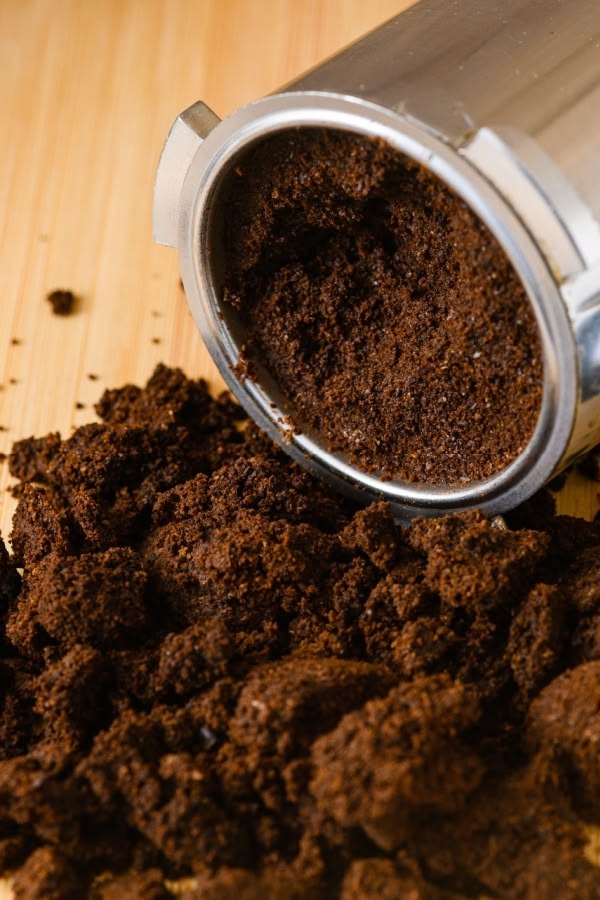
Your morning coffee might end up under your feet. Researchers at RMIT University in Australia found that charred coffee grounds can make concrete up to 30% stronger.

The world produces about 10 billion kilograms of coffee waste every year, and most of it ends up in landfills, where it releases methane and carbon dioxide. At the same time, the construction boom keeps driving demand for sand, which is mined from riverbeds and banks at a real environmental cost.

The team’s fix tackles both problems. Raw coffee grounds can’t go straight into concrete because they leak chemicals that weaken it, so the researchers heat them above 350 °C without oxygen. That turns the grounds into biochar, a porous, carbon-rich material that bonds into the cement and replaces some of the sand.

It’s already leaving the lab. A footpath in Victoria was built with the material in 2024, and a major road upgrade project later used it too, keeping roughly 140,000 coffees’ worth of grounds out of landfill and saving over 3 tons of sand.

The researchers are honest that it’s early days. Long-term durability still needs testing against freeze/thaw cycles, water absorption and wear, and they’re working on biochars from wood, food and agricultural waste as well.

Would you be happy to walk on a sidewalk made from your morning latte? ☕

#Sustainability #CircularEconomy #Concrete #Innovation #Science
Post image
4
CEOs are betting big on tech and innovation in 2026 despite uncertainties. Digital transformation is key to resilience.

Are you ready to keep pace?

Read more: https://t.co/SkFdmYxdKw

#Innovation #DigitalTransformation https://t.co/odasQsSnUE
Post image
1
🚀 **TESLA JUST TOOK THE ROADSTER TO A WHOLE NEW LEVEL!** ⚡🚗

Elon Musk has officially unveiled the next-generation Tesla Roadster — and this one can literally LEAVE THE GROUND! 🤯

🔥 **Here's what makes it incredible:**

⚡ **0–60 mph in just 0.81 seconds!**

🚀 SpaceX-inspired compressed-air thrusters enable short bursts of flight.

🤯 A jaw-dropping demonstration showed the Roadster flipping through the air and landing on its wheels.

📈 Tesla stock gained momentum following the unveiling.

🏎️ Production is targeted for 2028.

This isn't just another electric supercar reveal. Tesla is pushing the boundaries of what's possible when automotive engineering meets aerospace technology.

But here's the BIG question… 👀

**Is this the future of transportation, or another ambitious Elon Musk promise?**

💬 Would YOU drive a flying Tesla?

🔗 Source: [Yahoo Finance](https://finance.yahoo.com/markets/stocks/article/tesla-stock-pops-after-unveiling-roadster-with-compressed-air-thrusters-for-limited-flight-113533733.html)

#Tesla #TSLA #ElonMusk #TeslaRoadster #SpaceX #ElectricVehicles #EVNews #StockMarket #Innovation #FutureOfTransportation