


📈 **Finance Update | September 9, 2026**
Global markets are starting the day with **oil, inflation and borrowing costs firmly in focus**.
🛢️ **Oil is closing in on $100 a barrel.** Brent crude traded around $99 in Asian hours as renewed Middle East tensions raised concerns about energy-supply disruptions.
📉 **Higher energy prices are pressuring stocks and bonds.** The U.S. 10-year Treasury yield closed Tuesday at **4.805%**, its highest closing level since 2023, while the Dow fell 1.2% and the S&P 500 slipped 0.6%. Investors are increasingly focused on the inflationary impact of expensive oil.
🤖 **The AI investment boom is spreading into global credit markets.** AI-related companies now account for **26.4% of Swiss-franc corporate bond issuance in 2026**, as major U.S. technology groups tap international debt markets to finance enormous infrastructure spending.
🇨🇳 **Renminbi borrowing is also breaking records.** Issuance across China’s offshore “dim sum” and domestic “panda” bond markets has reached roughly **Rmb1 trillion ($149 billion)** this year, helped by comparatively low Chinese interest rates.
The bigger picture: **geopolitics, energy prices, AI capital spending and interest rates are increasingly interconnected.** For investors, the next major question is whether rising oil prices reignite inflation enough to change the path of monetary policy.
#Finance #Investing #Markets #Economy #Oil #InterestRates #AI #Bonds #GlobalMarkets
Global markets are starting the day with **oil, inflation and borrowing costs firmly in focus**.
🛢️ **Oil is closing in on $100 a barrel.** Brent crude traded around $99 in Asian hours as renewed Middle East tensions raised concerns about energy-supply disruptions.
📉 **Higher energy prices are pressuring stocks and bonds.** The U.S. 10-year Treasury yield closed Tuesday at **4.805%**, its highest closing level since 2023, while the Dow fell 1.2% and the S&P 500 slipped 0.6%. Investors are increasingly focused on the inflationary impact of expensive oil.
🤖 **The AI investment boom is spreading into global credit markets.** AI-related companies now account for **26.4% of Swiss-franc corporate bond issuance in 2026**, as major U.S. technology groups tap international debt markets to finance enormous infrastructure spending.
🇨🇳 **Renminbi borrowing is also breaking records.** Issuance across China’s offshore “dim sum” and domestic “panda” bond markets has reached roughly **Rmb1 trillion ($149 billion)** this year, helped by comparatively low Chinese interest rates.
The bigger picture: **geopolitics, energy prices, AI capital spending and interest rates are increasingly interconnected.** For investors, the next major question is whether rising oil prices reignite inflation enough to change the path of monetary policy.
#Finance #Investing #Markets #Economy #Oil #InterestRates #AI #Bonds #GlobalMarkets
📈 **Finance Update | September 9, 2026**
Global markets are starting the day with **oil, inflation and borrowing costs firmly in focus**.
🛢️ **Oil is closing in on $100 a barrel.** Brent crude traded around $99 in Asian hours as renewed Middle East tensions raised concerns about energy-supply disruptions.
📉 **Higher energy prices are pressuring stocks and bonds.** The U.S. 10-year Treasury yield closed Tuesday at **4.805%**, its highest closing level since 2023, while the Dow fell 1.2% and the S&P 500 slipped 0.6%. Investors are increasingly focused on the inflationary impact of expensive oil.
🤖 **The AI investment boom is spreading into global credit markets.** AI-related companies now account for **26.4% of Swiss-franc corporate bond issuance in 2026**, as major U.S. technology groups tap international debt markets to finance enormous infrastructure spending.
🇨🇳 **Renminbi borrowing is also breaking records.** Issuance across China’s offshore “dim sum” and domestic “panda” bond markets has reached roughly **Rmb1 trillion ($149 billion)** this year, helped by comparatively low Chinese interest rates.
The bigger picture: **geopolitics, energy prices, AI capital spending and interest rates are increasingly interconnected.** For investors, the next major question is whether rising oil prices reignite inflation enough to change the path of monetary policy.
#Finance #Investing #Markets #Economy #Oil #InterestRates #AI #Bonds #GlobalMarkets
Global markets are starting the day with **oil, inflation and borrowing costs firmly in focus**.
🛢️ **Oil is closing in on $100 a barrel.** Brent crude traded around $99 in Asian hours as renewed Middle East tensions raised concerns about energy-supply disruptions.
📉 **Higher energy prices are pressuring stocks and bonds.** The U.S. 10-year Treasury yield closed Tuesday at **4.805%**, its highest closing level since 2023, while the Dow fell 1.2% and the S&P 500 slipped 0.6%. Investors are increasingly focused on the inflationary impact of expensive oil.
🤖 **The AI investment boom is spreading into global credit markets.** AI-related companies now account for **26.4% of Swiss-franc corporate bond issuance in 2026**, as major U.S. technology groups tap international debt markets to finance enormous infrastructure spending.
🇨🇳 **Renminbi borrowing is also breaking records.** Issuance across China’s offshore “dim sum” and domestic “panda” bond markets has reached roughly **Rmb1 trillion ($149 billion)** this year, helped by comparatively low Chinese interest rates.
The bigger picture: **geopolitics, energy prices, AI capital spending and interest rates are increasingly interconnected.** For investors, the next major question is whether rising oil prices reignite inflation enough to change the path of monetary policy.
#Finance #Investing #Markets #Economy #Oil #InterestRates #AI #Bonds #GlobalMarkets
3
1

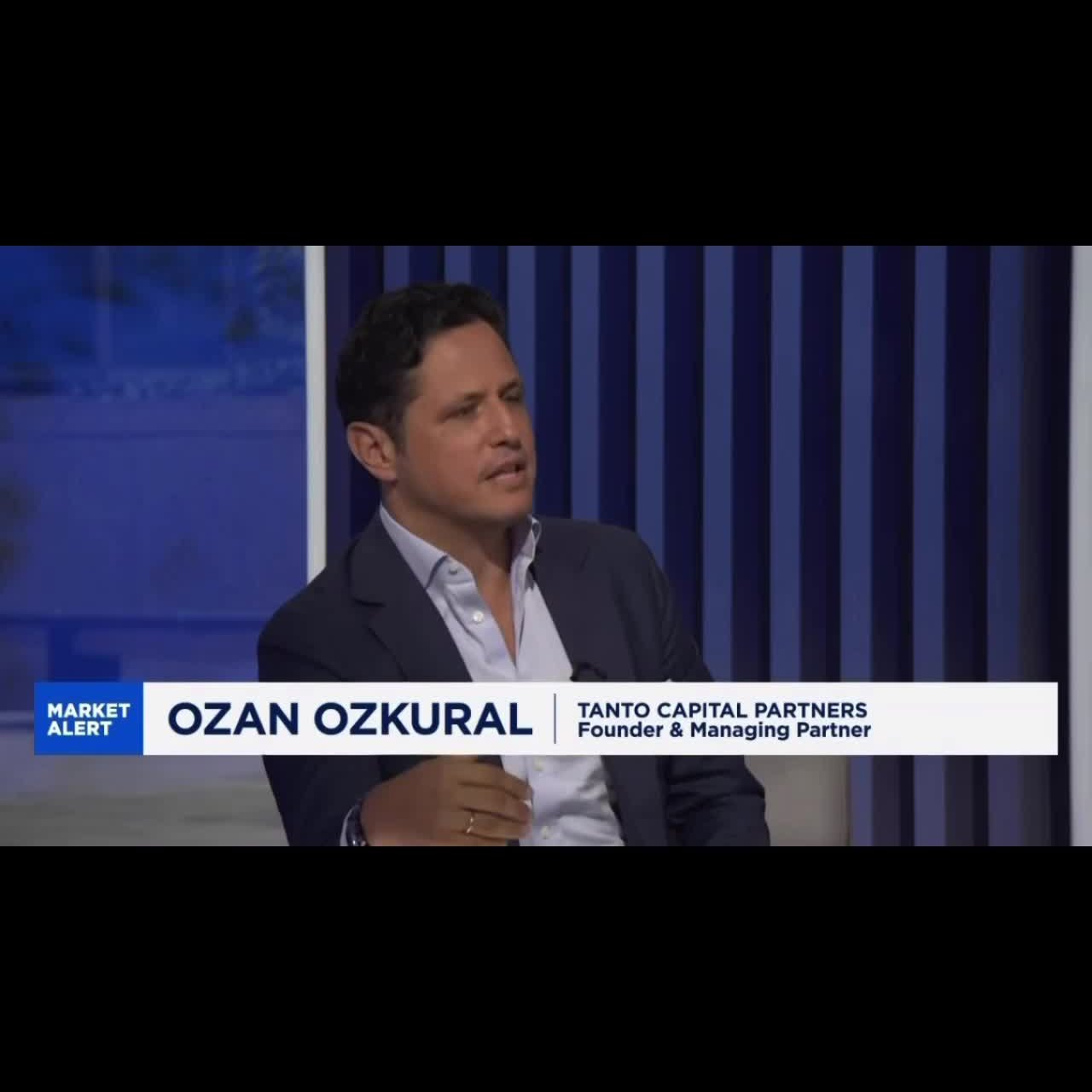
A pleasure to join Steve Sedgwick and Ben Boulos at the CNBC Squawk Box Europe as markets opened this morning.
We discussed a global market regime that is becoming materially more complex: the repricing of sovereign bond markets, the implications of a potential unwind in Japanese carry trades, and where we are in the evolution of the AI investment cycle.
ECB tightening + potential BoJ tightening + uncertainty over the Fed means the world is simultaneously losing several sources of cheap duration.
As the cost and availability of capital are changing Investors, CEOs and boards need to think differently about funding, asset allocation and geopolitical risk as assumptions that held for much of the last decade are challenged.
Tanto Capital Partners
#SquawkBox #GlobalMarkets #Geopolitics #CapitalMarkets
We discussed a global market regime that is becoming materially more complex: the repricing of sovereign bond markets, the implications of a potential unwind in Japanese carry trades, and where we are in the evolution of the AI investment cycle.
ECB tightening + potential BoJ tightening + uncertainty over the Fed means the world is simultaneously losing several sources of cheap duration.
As the cost and availability of capital are changing Investors, CEOs and boards need to think differently about funding, asset allocation and geopolitical risk as assumptions that held for much of the last decade are challenged.
Tanto Capital Partners
#SquawkBox #GlobalMarkets #Geopolitics #CapitalMarkets
107
📈 **Finance Update: Markets rebound, but rates and oil remain the big story**
Global markets are finding some relief today. Asian equities and bonds have rebounded, while U.S. Treasury yields have eased from recent highs as investors turn their attention to upcoming U.S. employment data and what it could mean for the Federal Reserve’s next move.
Energy remains a major risk. Oil is still trading above $90 a barrel following renewed U.S.–Iran tensions, keeping inflation concerns — and pressure on global bond markets — firmly in focus.
Meanwhile, the Japanese yen has strengthened sharply as markets price in further Bank of Japan tightening and watch for possible currency intervention. Japan’s bond market is also becoming increasingly important for global investors as yields move to levels not seen in decades.
The key takeaway: **markets may be rebounding, but the combination of higher energy prices, elevated bond yields and shifting central-bank expectations means volatility is far from over.**
#Finance #Markets #Investing #Economy #FederalReserve #Oil #Bonds #GlobalMarkets
Global markets are finding some relief today. Asian equities and bonds have rebounded, while U.S. Treasury yields have eased from recent highs as investors turn their attention to upcoming U.S. employment data and what it could mean for the Federal Reserve’s next move.
Energy remains a major risk. Oil is still trading above $90 a barrel following renewed U.S.–Iran tensions, keeping inflation concerns — and pressure on global bond markets — firmly in focus.
Meanwhile, the Japanese yen has strengthened sharply as markets price in further Bank of Japan tightening and watch for possible currency intervention. Japan’s bond market is also becoming increasingly important for global investors as yields move to levels not seen in decades.
The key takeaway: **markets may be rebounding, but the combination of higher energy prices, elevated bond yields and shifting central-bank expectations means volatility is far from over.**
#Finance #Markets #Investing #Economy #FederalReserve #Oil #Bonds #GlobalMarkets
Markets are starting the day on edge as the tech-led selloff deepens and investors reassess the AI trade, rate expectations, and corporate debt risk. U.S. futures pointed lower, with pressure concentrated in chip and AI-linked names, while global equities also weakened after a sharp U.S. tech retreat. At the same time, bond-market attention is rising as investors price in a more hawkish central-bank backdrop, with the Fed’s inflation stance keeping rate-hike risks alive. SpaceX’s large bond sale is also drawing attention as a test of investor appetite for high-profile growth companies with heavy capital needs.
Caption angle:
“Risk appetite is being tested as tech weakness, higher-rate fears, and big-ticket corporate borrowing collide across global markets.”
#FinanceNews #Markets #Stocks #AI #TechStocks #Bonds #Investing #GlobalMarkets
Caption angle:
“Risk appetite is being tested as tech weakness, higher-rate fears, and big-ticket corporate borrowing collide across global markets.”
#FinanceNews #Markets #Stocks #AI #TechStocks #Bonds #Investing #GlobalMarkets
6