
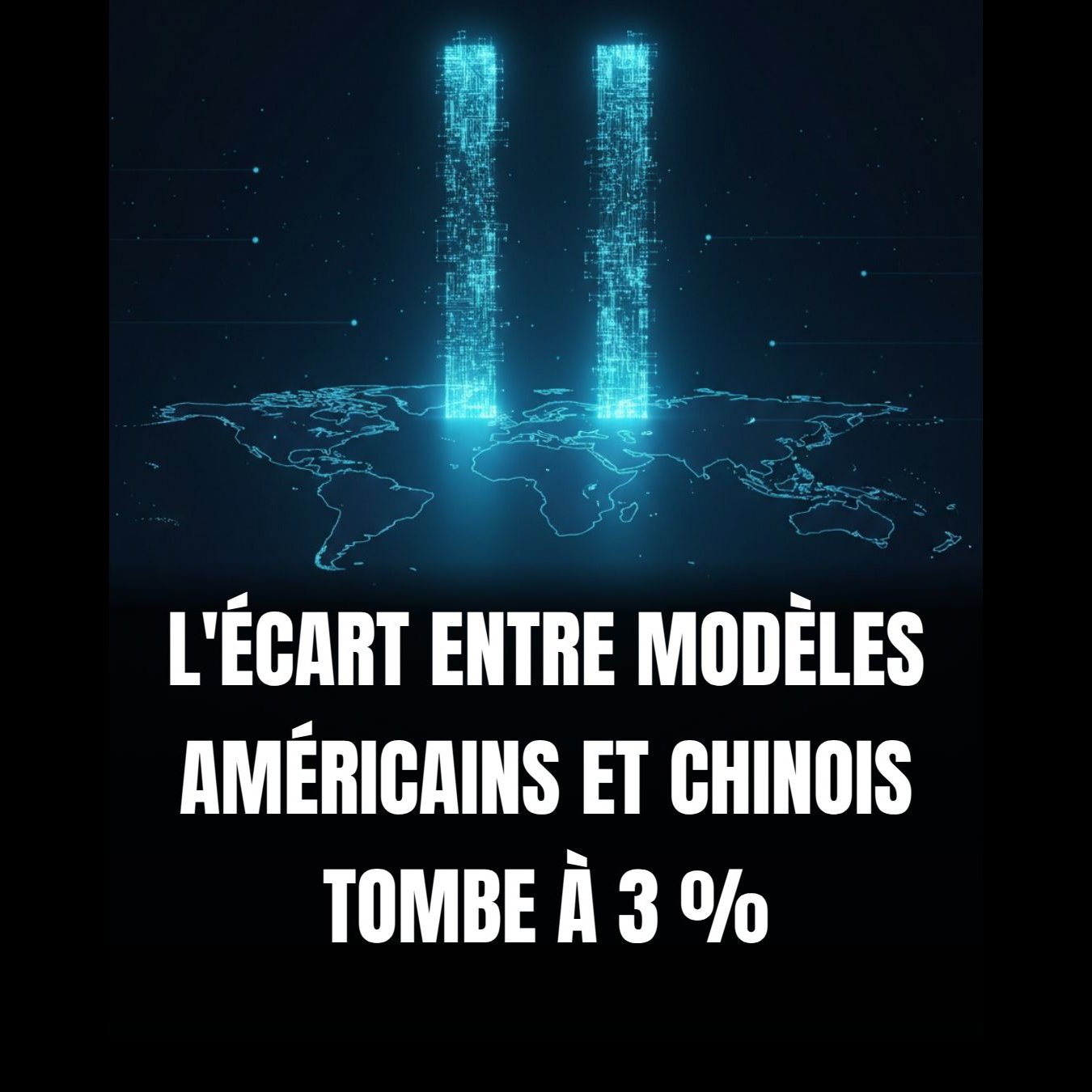
Entre les meilleurs modèles américains et chinois, l'écart n'est plus que de 3 %.
Selon Robert Lea, analyste chez Bloomberg Intelligence, il était de 15 % plus tôt dans l'année, de 9 % en mai.
Il l'attribue à la sortie de DeepSeek V4.1-Flash, à l'expertise croissante des chercheurs chinois et à l'optimisation des modèles pour les puces produites en Chine.
La Chine reste dans la course malgré les restrictions américaines sur les puces. Le vrai sujet, pour nous, reste l'absence de stratégie européenne équivalente.
Partage ce post à quelqu'un qui s'intéresse à la souveraineté.
#IA #Chine #Europe #Souverainete #Geopolitique


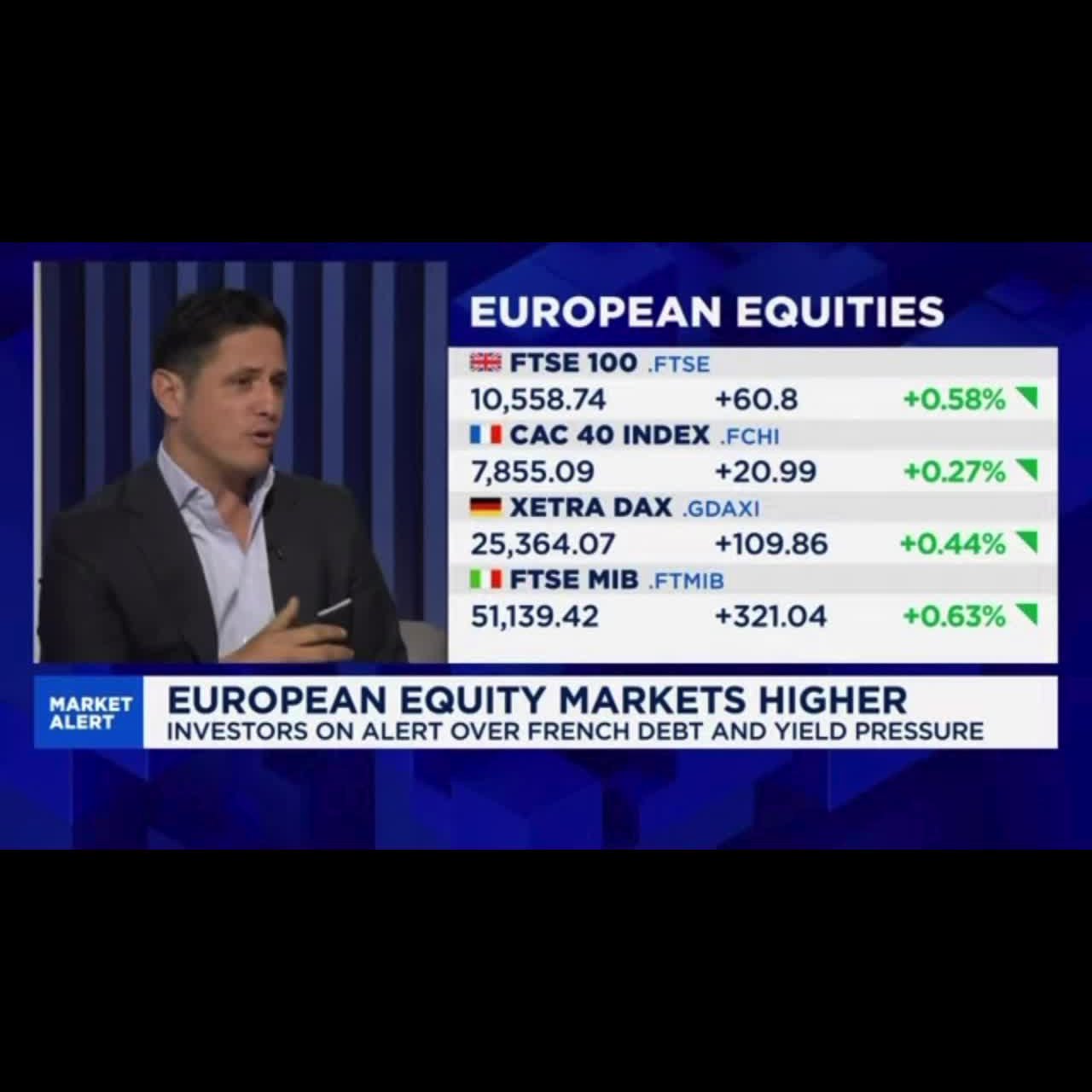
📉 French government borrowing costs have surged, with the 10-year yield approaching 5%, as investors grow increasingly concerned about the country’s debt, deficit and political uncertainty. France’s borrowing costs have even moved above those of some countries traditionally viewed as riskier.
💶 The pressure is also hitting the euro, which fell to a 17-month low around $1.116 against the U.S. dollar on October 5.
🇩🇪 At the same time, investors have been moving toward German government bonds as a relative safe haven — highlighting a growing divide inside European debt markets.
🏦 And the ECB remains in focus after raising rates by 25 basis points in September, with inflation still expected to stay above its 2% target for some time.
The key question:
Could France’s fiscal problems remain a national issue — or become a wider problem for European markets and the euro?
#Europe #StockMarket #Investing #euro #ECB #France #Germany #Bonds #Finance #EuropeanMarkets
1

Today, at European markets open, I joined dear friends Steve Sedgwick, Karen Tso and Ben Boulos at CNBC SquawkBox Europe to discuss global markets.
A striking disconnect is opening up across markets.
Bond markets are increasingly focused on fiscal credibility, sovereign debt and the structural cost of capital. Equity markets, by contrast, still seem heavily conditioned to celebrate any softer data as a signal that central banks may become less hawkish. That divergence cannot persist indefinitely.
Europe is a good example. The issue is not whether France is “the next Greece.” The more important question is why markets were willing to give highly indebted developed economies such a long free pass in the first place.
For years, abundant liquidity masked weak fiscal discipline. That era is ending, and the next phase of markets may be shaped less by centralbank liquidity and much more by fiscal discipline, sovereign risk and the real cost of capital.
#CNBC #Markets #FixedIncome #Europe #Macro #TantoCapitalPartners
68

prin
X
The U.S. is urging Germany and France to release emergency diesel stocks or face a potential U.S. export ban. The two countries hold about 35% of EU strategic diesel reserves as global fuel markets tighten. #Diesel #Energy #Europe #Oil
https://t.co/bL3tKu08Ke
https://t.co/bL3tKu08Ke
prin
X
Europe's energy shock is feeding into inflation. Spain's rate hit 5.0% in September, while Italy climbed to 4.2% as energy prices surged. The ECB now faces a tougher balance between inflation and growth. #Europe #ECB #Energy #Inflation
https://t.co/MtClr46ZD2
https://t.co/MtClr46ZD2