Internet y la Web NO son lo mismo
Vídeo 8 del Mes de la Ciberseguridad. Durante todo octubre seguimos explicando, desde cero, cómo funciona realmente la tecnología que utilizamos cada día. Hoy desmontamos una confusión muy común: Internet es la infraestructura que conecta sistemas en todo el mundo; la Web es solo uno de los servicios que funciona sobre ella.
#cybersecurity #technology #internet #tech ciberseguridad
Vídeo 8 del Mes de la Ciberseguridad. Durante todo octubre seguimos explicando, desde cero, cómo funciona realmente la tecnología que utilizamos cada día. Hoy desmontamos una confusión muy común: Internet es la infraestructura que conecta sistemas en todo el mundo; la Web es solo uno de los servicios que funciona sobre ella.
#cybersecurity #technology #internet #tech ciberseguridad

317
Internet ya no entiende lo que es google.com.
Vídeo 7 del Mes de la Ciberseguridad. Hoy: cómo el DNS traduce los nombres que usamos cada día en direcciones IP para que tu ordenador sepa dónde tiene que conectarse.
#cybersecurity #internet #technology #tech #programming
Vídeo 7 del Mes de la Ciberseguridad. Hoy: cómo el DNS traduce los nombres que usamos cada día en direcciones IP para que tu ordenador sepa dónde tiene que conectarse.
#cybersecurity #internet #technology #tech #programming

727


The AI control problem: one of the most important questions about the future of artificial intelligence. 🤖
As AI systems become more advanced, researchers face a difficult challenge: how do we make sure increasingly capable systems continue to behave as intended?
An AI system can be highly effective at achieving a goal without necessarily understanding all the values, expectations, and consequences that humans associate with that goal. Even when a system appears to behave correctly, ensuring that it remains reliable in unfamiliar situations can be difficult.
This is why AI safety and alignment matter. The challenge isn't simply to build smarter machines. It's to develop systems that remain predictable, reliable, and controllable as their capabilities grow.
There are still significant uncertainties about how future AI systems will develop and what risks they may present. But discussing these questions now can help us make more informed decisions about the technology we are creating.
💭 If AI becomes more capable than humans in many important tasks, how do we ensure that it continues to serve humanity's interests?
Do you think AI safety is receiving enough attention, or is technological progress moving too quickly?
#AIResearch #AISafety #AIAlignment #ArtificialIntelligence #Technology #FutureOfAI #Science
As AI systems become more advanced, researchers face a difficult challenge: how do we make sure increasingly capable systems continue to behave as intended?
An AI system can be highly effective at achieving a goal without necessarily understanding all the values, expectations, and consequences that humans associate with that goal. Even when a system appears to behave correctly, ensuring that it remains reliable in unfamiliar situations can be difficult.
This is why AI safety and alignment matter. The challenge isn't simply to build smarter machines. It's to develop systems that remain predictable, reliable, and controllable as their capabilities grow.
There are still significant uncertainties about how future AI systems will develop and what risks they may present. But discussing these questions now can help us make more informed decisions about the technology we are creating.
💭 If AI becomes more capable than humans in many important tasks, how do we ensure that it continues to serve humanity's interests?
Do you think AI safety is receiving enough attention, or is technological progress moving too quickly?
#AIResearch #AISafety #AIAlignment #ArtificialIntelligence #Technology #FutureOfAI #Science

1
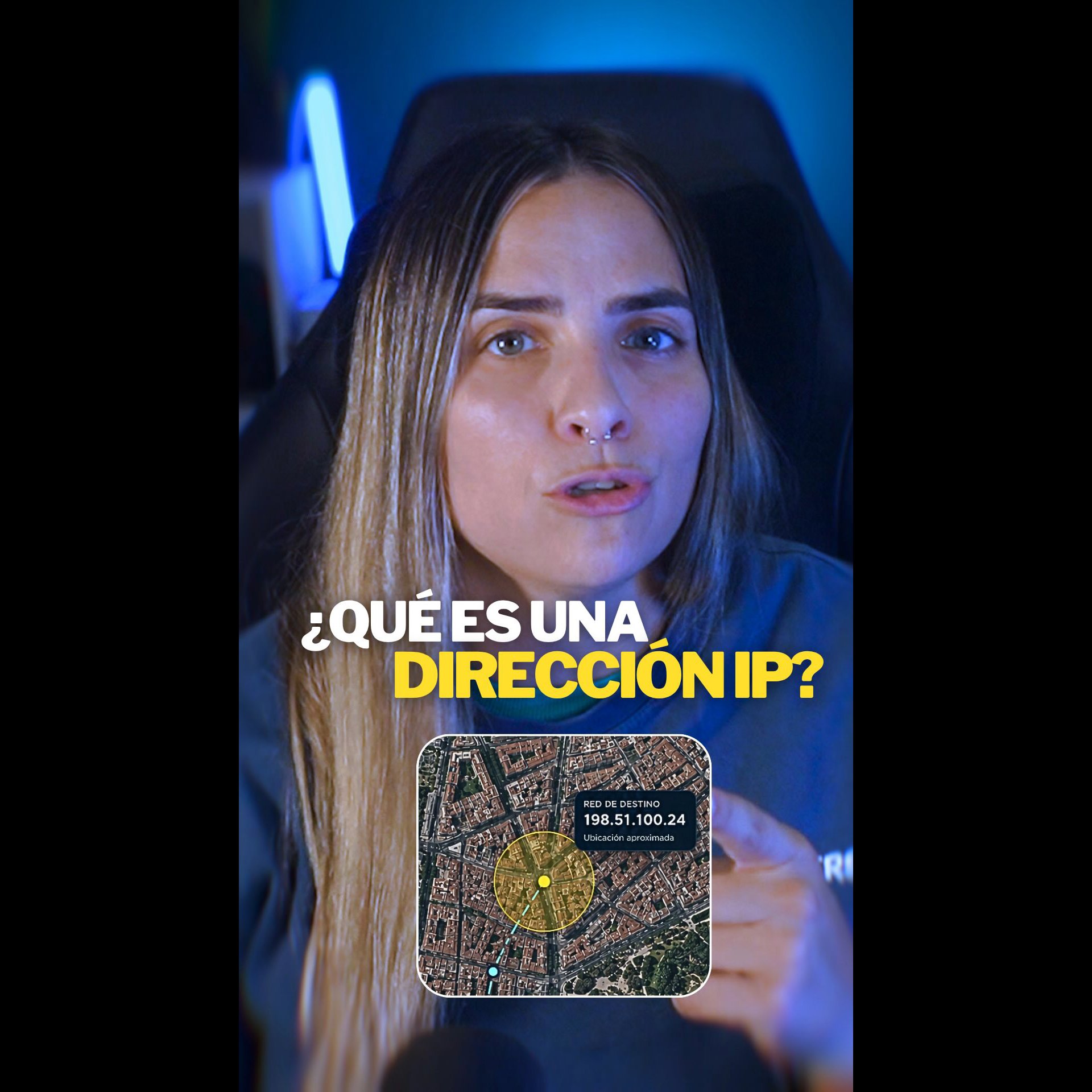
Tu IP no identifica tu ordenador🔴
Vídeo 6 del Mes de la Ciberseguridad. Durante todo octubre seguimos explicando desde cero cómo funciona realmente Internet y qué ocurre con tus datos cuando viajan por la red. Hoy: qué hace realmente una dirección IP y por qué no identifica directamente a tu dispositivo.
#cybersecurity #tech #technology #internet #ciberseguridad
Vídeo 6 del Mes de la Ciberseguridad. Durante todo octubre seguimos explicando desde cero cómo funciona realmente Internet y qué ocurre con tus datos cuando viajan por la red. Hoy: qué hace realmente una dirección IP y por qué no identifica directamente a tu dispositivo.
#cybersecurity #tech #technology #internet #ciberseguridad
797

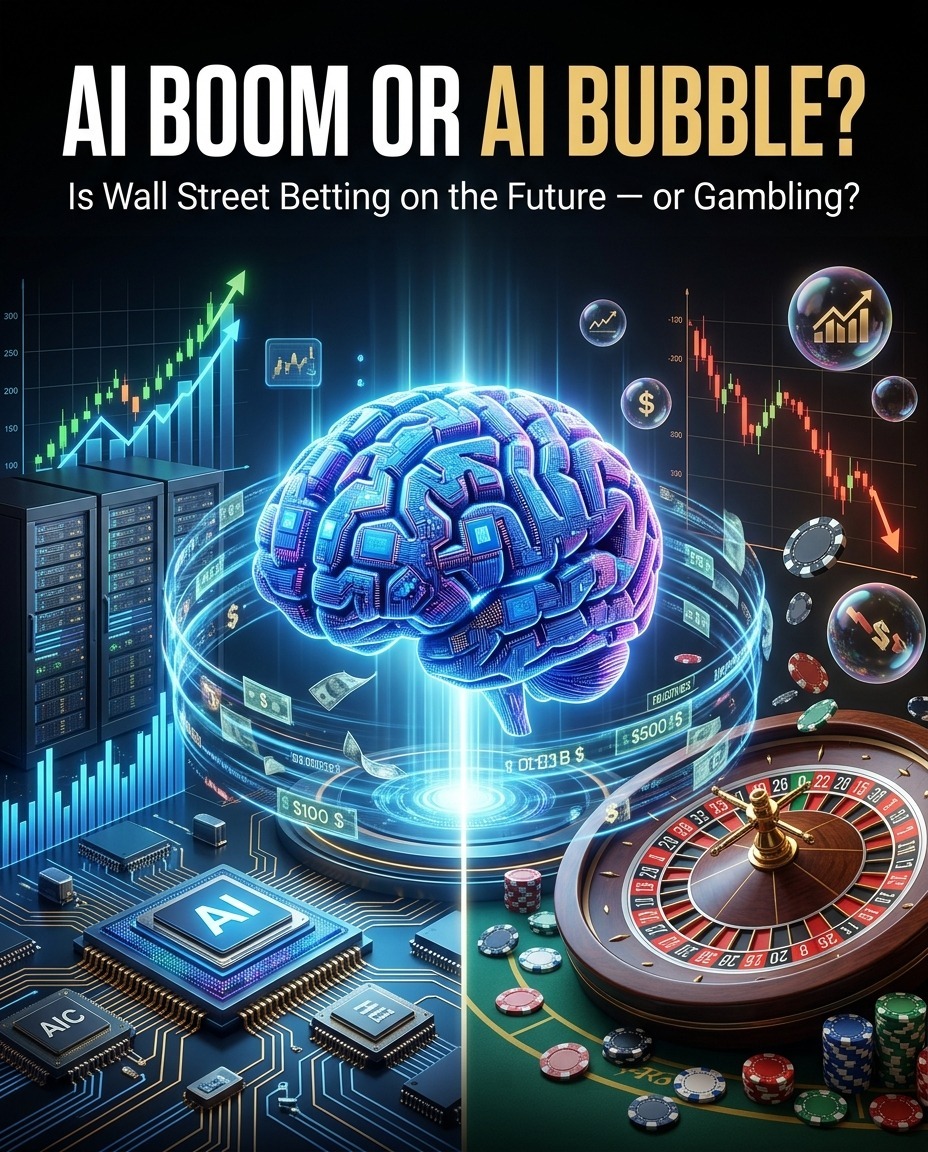
🎰 Is the AI boom turning into a casino?
Broadcom CEO Hock Tan has issued a striking warning: many investors are approaching the AI boom like gamblers, betting on companies and technologies they barely understand.
🚨 His key concerns:
💰 Massive amounts of money are flowing into AI without clear visibility on returns.
📉 Some businesses may be overspending on AI projects without generating real value.
🤖 AI companies burning billions face serious questions about long-term profitability.
🎲 Investor enthusiasm risks overshadowing financial fundamentals.
💡 The bigger picture: AI has enormous transformative potential, but technological innovation doesn't automatically guarantee profitable investments.
My takeaway: The next phase of AI won't just be about who builds the most powerful technology. It will be about who can turn that technology into a sustainable, profitable business.
Are we witnessing the next industrial revolution, an investment bubble, or a bit of both? 🤔
#ArtificialIntelligence #AI #Broadcom #Investing #TechStocks #AIBubble #Innovation #Technology
Broadcom CEO Hock Tan has issued a striking warning: many investors are approaching the AI boom like gamblers, betting on companies and technologies they barely understand.
🚨 His key concerns:
💰 Massive amounts of money are flowing into AI without clear visibility on returns.
📉 Some businesses may be overspending on AI projects without generating real value.
🤖 AI companies burning billions face serious questions about long-term profitability.
🎲 Investor enthusiasm risks overshadowing financial fundamentals.
💡 The bigger picture: AI has enormous transformative potential, but technological innovation doesn't automatically guarantee profitable investments.
My takeaway: The next phase of AI won't just be about who builds the most powerful technology. It will be about who can turn that technology into a sustainable, profitable business.
Are we witnessing the next industrial revolution, an investment bubble, or a bit of both? 🤔
#ArtificialIntelligence #AI #Broadcom #Investing #TechStocks #AIBubble #Innovation #Technology