

The global economy is walking a tightrope right now, and two massive developments in the Middle East just shook the safety net.
Here is why everyone needs to pay attention to what is happening with Saudi Arabia's energy corridors:
- The Pipeline Shutdown:Saudi Arabia was forced to temporarily shut down its vital East-West pipeline following drone attacks. This pipeline has been a literal lifeline, carrying roughly 4% to 5% of the world's daily oil supply across the peninsula to bypass regional conflict. Without it, the kingdom's export buffers are burning through fast.
- The "Twin Strait" Crisis: With the Strait of Hormuz heavily restricted, the world has relied heavily on the Red Sea route. Now, Houthi forces have seized strategic ground and effectively locked down the Bab el-Mandeb Strait—the critical second chokepoint connecting the Red Sea to global shipping lanes.
- The Global Impact: When the world's primary energy arteries are threatened simultaneously, supply chains feel the shock instantly. Brent crude has already surged past the $100 mark, signaling that localized conflicts in these vital corridors quickly translate into higher inflation, surging fuel costs, and economic pressure worldwide.
This isn't just a regional issue, when key global trade arteries are compromised, it impacts everything from shipping logistics to the price at the pump.
#EnergyCrisis #GlobalEconomy #OilMarkets #Geopolitics #SupplyChain #MiddleEast
Here is why everyone needs to pay attention to what is happening with Saudi Arabia's energy corridors:
- The Pipeline Shutdown:Saudi Arabia was forced to temporarily shut down its vital East-West pipeline following drone attacks. This pipeline has been a literal lifeline, carrying roughly 4% to 5% of the world's daily oil supply across the peninsula to bypass regional conflict. Without it, the kingdom's export buffers are burning through fast.
- The "Twin Strait" Crisis: With the Strait of Hormuz heavily restricted, the world has relied heavily on the Red Sea route. Now, Houthi forces have seized strategic ground and effectively locked down the Bab el-Mandeb Strait—the critical second chokepoint connecting the Red Sea to global shipping lanes.
- The Global Impact: When the world's primary energy arteries are threatened simultaneously, supply chains feel the shock instantly. Brent crude has already surged past the $100 mark, signaling that localized conflicts in these vital corridors quickly translate into higher inflation, surging fuel costs, and economic pressure worldwide.
This isn't just a regional issue, when key global trade arteries are compromised, it impacts everything from shipping logistics to the price at the pump.
#EnergyCrisis #GlobalEconomy #OilMarkets #Geopolitics #SupplyChain #MiddleEast
3

Europe's global influence won't be defined by trade alone, it will increasingly be shaped by finance.
As geopolitical competition intensifies, the conversation around Europe's strategic autonomy is evolving. The next frontier isn't just defence or industrial policy - it's monetary power.
The euro has an opportunity to play a much larger international role, but that requires more than ambition. It calls for:
- stronger and more accessible euro-denominated financial markets,
- deeper capital market integration,
- common European safe assets,
- and a willingness to use financial tools strategically in support of international rules and stability.
For businesses, investors and policymakers alike, this matters. The currency in which the world saves, invests and settles transactions is not just an economic choice, it's a strategic one.
The coming years will show whether Europe is prepared to match its economic weight with financial leadership.
#Europe #Euro #Geopolitics #Finance #CapitalMarkets #EconomicPolicy #StrategicAutonomy
As geopolitical competition intensifies, the conversation around Europe's strategic autonomy is evolving. The next frontier isn't just defence or industrial policy - it's monetary power.
The euro has an opportunity to play a much larger international role, but that requires more than ambition. It calls for:
- stronger and more accessible euro-denominated financial markets,
- deeper capital market integration,
- common European safe assets,
- and a willingness to use financial tools strategically in support of international rules and stability.
For businesses, investors and policymakers alike, this matters. The currency in which the world saves, invests and settles transactions is not just an economic choice, it's a strategic one.
The coming years will show whether Europe is prepared to match its economic weight with financial leadership.
#Europe #Euro #Geopolitics #Finance #CapitalMarkets #EconomicPolicy #StrategicAutonomy
1
🚨 Energy markets on edge.
The Strait of Hormuz — a key artery for global oil shipments — is once again at the center of geopolitical tensions. Any disruption to traffic through the waterway can ripple across oil prices, shipping costs, inflation, and global supply chains. Roughly one-fifth of the world's oil trade moves through this narrow passage.
📈 What to watch:
• Oil price volatility
• Shipping and insurance costs
• Inflation pressures worldwide
• Market reaction to U.S.-Iran developments
For businesses and investors alike, the Strait of Hormuz remains one of the world's most important geopolitical chokepoints. 🌍⚓️
#OilMarkets #Energy #Geopolitics #Shipping #SupplyChain #Inflation #Investing #MiddleEast #StraitOfHormuz #GlobalMarkets
The Strait of Hormuz — a key artery for global oil shipments — is once again at the center of geopolitical tensions. Any disruption to traffic through the waterway can ripple across oil prices, shipping costs, inflation, and global supply chains. Roughly one-fifth of the world's oil trade moves through this narrow passage.
📈 What to watch:
• Oil price volatility
• Shipping and insurance costs
• Inflation pressures worldwide
• Market reaction to U.S.-Iran developments
For businesses and investors alike, the Strait of Hormuz remains one of the world's most important geopolitical chokepoints. 🌍⚓️
#OilMarkets #Energy #Geopolitics #Shipping #SupplyChain #Inflation #Investing #MiddleEast #StraitOfHormuz #GlobalMarkets
2
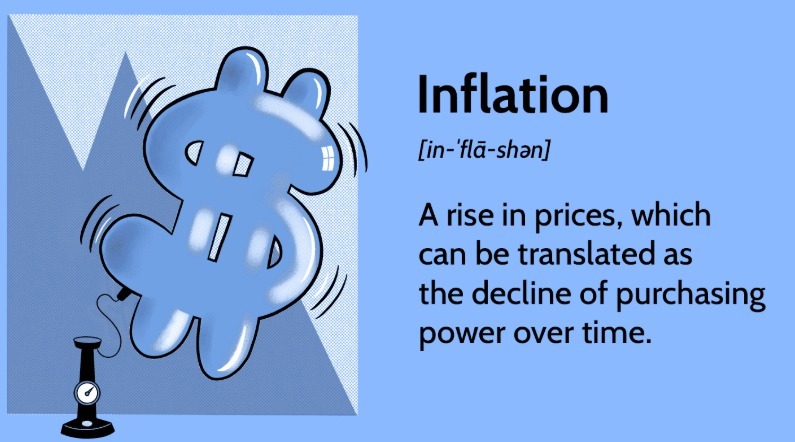
Eurozone inflation is heating up again.
Rising energy costs linked to tensions involving Iran are pushing inflation further above the ECB's target, reminding us how quickly geopolitical events can ripple through the global economy. Energy prices are no longer just a commodity story, they're becoming an inflation story, a consumer spending story, and potentially a growth story.
The challenge for policymakers is becoming increasingly complex:
📈 Higher energy prices fuel inflation.
📉 Higher inflation pressures household spending.
🏦 Central banks may be forced to keep rates higher for longer.
📊 Economic growth remains fragile.
What's happening in the Middle East today is influencing fuel prices, business costs, consumer confidence, and monetary policy decisions across Europe. The interconnectedness of our global economy has never been more visible.
For businesses, the key question is no longer whether volatility will continue, but how prepared they are to adapt when it does.
#Inflation #Eurozone #Economy #EnergyMarkets #ECB #BusinessStrategy #Geopolitics #Leadership
Rising energy costs linked to tensions involving Iran are pushing inflation further above the ECB's target, reminding us how quickly geopolitical events can ripple through the global economy. Energy prices are no longer just a commodity story, they're becoming an inflation story, a consumer spending story, and potentially a growth story.
The challenge for policymakers is becoming increasingly complex:
📈 Higher energy prices fuel inflation.
📉 Higher inflation pressures household spending.
🏦 Central banks may be forced to keep rates higher for longer.
📊 Economic growth remains fragile.
What's happening in the Middle East today is influencing fuel prices, business costs, consumer confidence, and monetary policy decisions across Europe. The interconnectedness of our global economy has never been more visible.
For businesses, the key question is no longer whether volatility will continue, but how prepared they are to adapt when it does.
#Inflation #Eurozone #Economy #EnergyMarkets #ECB #BusinessStrategy #Geopolitics #Leadership
2
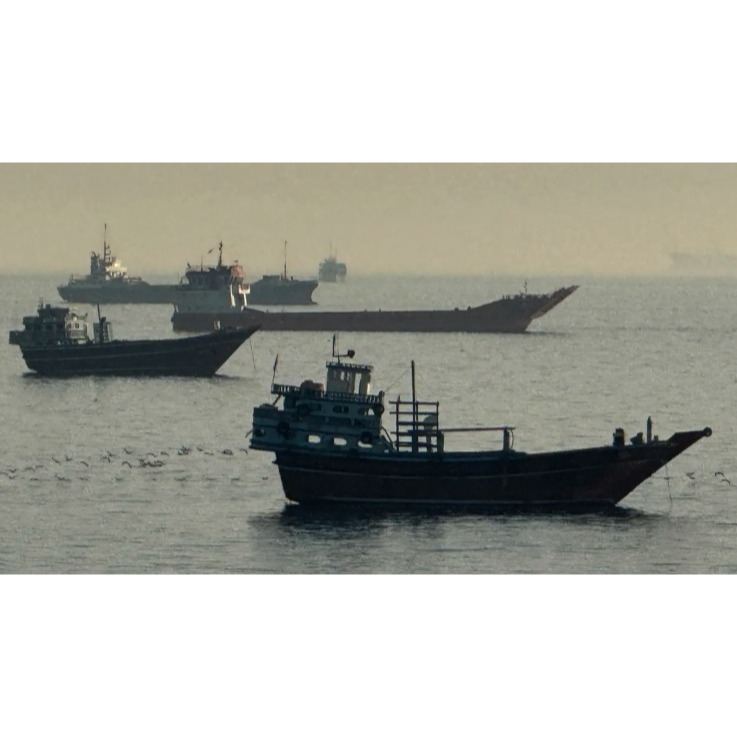
Markets may be hoping for a breakthrough, but both Iran and the U.S. are signaling that a deal is far from guaranteed.
The latest headlines show cautious diplomacy, rising geopolitical pressure, and global uncertainty still hanging over oil, inflation, and regional stability. Investors are reacting fast, but political reality remains much more complicated.
This isn’t just about the Middle East anymore. It’s about energy markets, global trade, and how fragile geopolitical “optimism” can be. 🌍
#Iran #USA #Geopolitics #OilMarkets #GlobalEconomy #MiddleEast
Source:
https://www.cnbc.com/
The latest headlines show cautious diplomacy, rising geopolitical pressure, and global uncertainty still hanging over oil, inflation, and regional stability. Investors are reacting fast, but political reality remains much more complicated.
This isn’t just about the Middle East anymore. It’s about energy markets, global trade, and how fragile geopolitical “optimism” can be. 🌍
#Iran #USA #Geopolitics #OilMarkets #GlobalEconomy #MiddleEast
Source:
https://www.cnbc.com/
7