
🚀 AI is becoming an economic force, not just a technology trend
The latest signals from the global tech economy are hard to ignore.
📈 Trade in AI-related products — including semiconductors and industrial equipment — surged *42% year over year* in Q1 2026, far outpacing growth in non-AI goods.
💻 At the same time, the global chip race is accelerating. Huawei is pushing ahead with new AI processors as companies and countries compete for computing power, infrastructure and technological independence.
💰 The bigger story? AI investment is now influencing global trade, manufacturing, capital spending and financial markets.
The next phase of the AI boom may be less about who builds the smartest chatbot — and more about who controls the chips, energy, data centers and supply chains powering the technology.
*AI is rapidly becoming infrastructure for the global economy.*
#AI #Technology #Economy #TechNews #ArtificialIntelligence #Semiconductors #Innovation #Business
The latest signals from the global tech economy are hard to ignore.
📈 Trade in AI-related products — including semiconductors and industrial equipment — surged *42% year over year* in Q1 2026, far outpacing growth in non-AI goods.
💻 At the same time, the global chip race is accelerating. Huawei is pushing ahead with new AI processors as companies and countries compete for computing power, infrastructure and technological independence.
💰 The bigger story? AI investment is now influencing global trade, manufacturing, capital spending and financial markets.
The next phase of the AI boom may be less about who builds the smartest chatbot — and more about who controls the chips, energy, data centers and supply chains powering the technology.
*AI is rapidly becoming infrastructure for the global economy.*
#AI #Technology #Economy #TechNews #ArtificialIntelligence #Semiconductors #Innovation #Business
1
📊 **Finance Update: Rates, Bonds & Oil Take Center Stage**
Global markets are navigating another major shift in the interest-rate environment:
🔹 **The Fed is in focus today**, with markets widely expecting a 25 bps rate hike—potentially the first U.S. increase in three years—as inflation remains elevated.
🔹 **The ECB’s latest 25 bps hike takes effect today**, bringing its deposit rate to **2.50%** as it responds to continued inflation pressure.
🔹 **U.S. Treasury yields are hovering near 5%**, pushing borrowing costs higher and putting pressure on equity valuations.
🔹 **Oil remains above $100/barrel**, adding another layer of inflation risk for businesses, consumers and central banks.
Meanwhile, foreign investors have recently been directing more capital toward **U.S. equities than Treasuries**, an unusual shift reflecting both enthusiasm around corporate growth and concerns around inflation and government debt.
The big theme: **the cost of capital is moving back to the center of financial markets.**
Higher rates can reshape everything from stock valuations and mortgages to corporate investment and portfolio allocation.
#Finance #Investing #Markets #Stocks #Bonds #InterestRates #Economy #FederalReserve #ECB
Global markets are navigating another major shift in the interest-rate environment:
🔹 **The Fed is in focus today**, with markets widely expecting a 25 bps rate hike—potentially the first U.S. increase in three years—as inflation remains elevated.
🔹 **The ECB’s latest 25 bps hike takes effect today**, bringing its deposit rate to **2.50%** as it responds to continued inflation pressure.
🔹 **U.S. Treasury yields are hovering near 5%**, pushing borrowing costs higher and putting pressure on equity valuations.
🔹 **Oil remains above $100/barrel**, adding another layer of inflation risk for businesses, consumers and central banks.
Meanwhile, foreign investors have recently been directing more capital toward **U.S. equities than Treasuries**, an unusual shift reflecting both enthusiasm around corporate growth and concerns around inflation and government debt.
The big theme: **the cost of capital is moving back to the center of financial markets.**
Higher rates can reshape everything from stock valuations and mortgages to corporate investment and portfolio allocation.
#Finance #Investing #Markets #Stocks #Bonds #InterestRates #Economy #FederalReserve #ECB
1

🚨 US 10-year Treasury yields have climbed above 5%, reaching levels briefly seen in 2023 and, before that, in 2007.
The sharp bond sell-off comes as traders reassess the outlook for US monetary policy, with higher oil prices reviving inflation concerns and raising the possibility that the Federal Reserve may need to keep rates higher for longer — or even hike again.
The 10-year yield started the year at 4.15%, fell below 4% in February, and has since surged toward 5%.
Why it matters: the 10-year Treasury is a key benchmark for borrowing costs across the economy, influencing mortgages, corporate financing and other loans.
🇷🇴 In Romania, the 10-year government bond yield also edged higher to 7.23%, up 0.01 percentage points on the day and 0.3 points over the past month.
#Markets #Bonds #Treasuries #FederalReserve #InterestRates #Inflation #Romania #Economy
The sharp bond sell-off comes as traders reassess the outlook for US monetary policy, with higher oil prices reviving inflation concerns and raising the possibility that the Federal Reserve may need to keep rates higher for longer — or even hike again.
The 10-year yield started the year at 4.15%, fell below 4% in February, and has since surged toward 5%.
Why it matters: the 10-year Treasury is a key benchmark for borrowing costs across the economy, influencing mortgages, corporate financing and other loans.
🇷🇴 In Romania, the 10-year government bond yield also edged higher to 7.23%, up 0.01 percentage points on the day and 0.3 points over the past month.
#Markets #Bonds #Treasuries #FederalReserve #InterestRates #Inflation #Romania #Economy
US10Y chart
by TradingView
1


📈 **Finance Update | September 9, 2026**
Global markets are starting the day with **oil, inflation and borrowing costs firmly in focus**.
🛢️ **Oil is closing in on $100 a barrel.** Brent crude traded around $99 in Asian hours as renewed Middle East tensions raised concerns about energy-supply disruptions.
📉 **Higher energy prices are pressuring stocks and bonds.** The U.S. 10-year Treasury yield closed Tuesday at **4.805%**, its highest closing level since 2023, while the Dow fell 1.2% and the S&P 500 slipped 0.6%. Investors are increasingly focused on the inflationary impact of expensive oil.
🤖 **The AI investment boom is spreading into global credit markets.** AI-related companies now account for **26.4% of Swiss-franc corporate bond issuance in 2026**, as major U.S. technology groups tap international debt markets to finance enormous infrastructure spending.
🇨🇳 **Renminbi borrowing is also breaking records.** Issuance across China’s offshore “dim sum” and domestic “panda” bond markets has reached roughly **Rmb1 trillion ($149 billion)** this year, helped by comparatively low Chinese interest rates.
The bigger picture: **geopolitics, energy prices, AI capital spending and interest rates are increasingly interconnected.** For investors, the next major question is whether rising oil prices reignite inflation enough to change the path of monetary policy.
#Finance #Investing #Markets #Economy #Oil #InterestRates #AI #Bonds #GlobalMarkets
Global markets are starting the day with **oil, inflation and borrowing costs firmly in focus**.
🛢️ **Oil is closing in on $100 a barrel.** Brent crude traded around $99 in Asian hours as renewed Middle East tensions raised concerns about energy-supply disruptions.
📉 **Higher energy prices are pressuring stocks and bonds.** The U.S. 10-year Treasury yield closed Tuesday at **4.805%**, its highest closing level since 2023, while the Dow fell 1.2% and the S&P 500 slipped 0.6%. Investors are increasingly focused on the inflationary impact of expensive oil.
🤖 **The AI investment boom is spreading into global credit markets.** AI-related companies now account for **26.4% of Swiss-franc corporate bond issuance in 2026**, as major U.S. technology groups tap international debt markets to finance enormous infrastructure spending.
🇨🇳 **Renminbi borrowing is also breaking records.** Issuance across China’s offshore “dim sum” and domestic “panda” bond markets has reached roughly **Rmb1 trillion ($149 billion)** this year, helped by comparatively low Chinese interest rates.
The bigger picture: **geopolitics, energy prices, AI capital spending and interest rates are increasingly interconnected.** For investors, the next major question is whether rising oil prices reignite inflation enough to change the path of monetary policy.
#Finance #Investing #Markets #Economy #Oil #InterestRates #AI #Bonds #GlobalMarkets
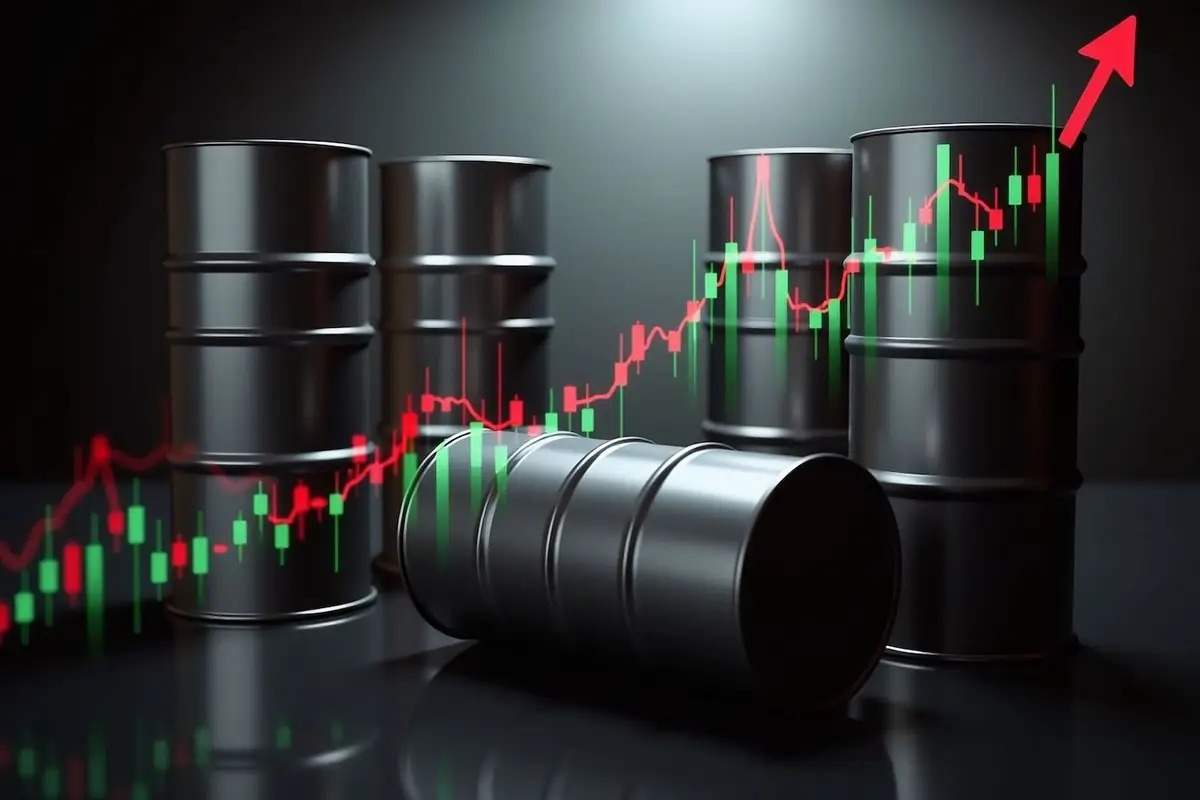
📊 **Finance markets are entering another high-volatility phase.**
Oil prices have surged above **$100 a barrel**, with Brent recently approaching **$109**, as escalating Middle East tensions raise concerns about global energy supplies. The knock-on effect is hitting bonds, inflation expectations and equities.
📈 U.S. Treasury yields are climbing sharply, with the **10-year yield approaching 5%** and the 30-year reaching levels not seen in nearly two decades. Investors are increasingly questioning how long borrowing costs can remain this elevated.
🏦 Meanwhile, the **European Central Bank raised rates to 2.5%**, warning that inflation could remain higher for longer. In the U.S., markets are assigning roughly a **70% probability of another Fed rate increase**, making upcoming inflation data especially important.
The big theme: **energy → inflation → higher rates → pressure on asset prices.**
For investors, the next few days could be less about chasing returns and more about managing duration, volatility and geopolitical risk.
#Finance #Investing #Markets #Economy #Inflation #InterestRates #Oil #FederalReserve #ECB
Oil prices have surged above **$100 a barrel**, with Brent recently approaching **$109**, as escalating Middle East tensions raise concerns about global energy supplies. The knock-on effect is hitting bonds, inflation expectations and equities.
📈 U.S. Treasury yields are climbing sharply, with the **10-year yield approaching 5%** and the 30-year reaching levels not seen in nearly two decades. Investors are increasingly questioning how long borrowing costs can remain this elevated.
🏦 Meanwhile, the **European Central Bank raised rates to 2.5%**, warning that inflation could remain higher for longer. In the U.S., markets are assigning roughly a **70% probability of another Fed rate increase**, making upcoming inflation data especially important.
The big theme: **energy → inflation → higher rates → pressure on asset prices.**
For investors, the next few days could be less about chasing returns and more about managing duration, volatility and geopolitical risk.
#Finance #Investing #Markets #Economy #Inflation #InterestRates #Oil #FederalReserve #ECB
1