Iran is pushing to expand trade with Central Asia as its conflict with the U.S. simmers, engaging four of the region's five states in a week. Tajik data show trade up about 15% in H1 2026 to $254 million. #Iran#CentralAsia#Trade#Geopolitics
Rubio led a nearly 300-strong US business delegation to Samarkand, where Uzbekistan says 54 deals worth $12 billion were signed in energy, minerals, transport and finance as Washington vies with China. #CentralAsia#Uzbekistan#China
Rubio meets Central Asia's five foreign ministers in Samarkand on Oct 19 with 100+ U.S. companies, aiming to turn C5+1 pledges into financed energy, critical minerals and trade corridor deals. #Energy#CriticalMinerals#CentralAsia#Geopolitics
Russia is using the CIS to reinforce its cultural influence in Central Asia as younger generations increasingly favor local languages and English. At a summit in Turkmenistan, Putin emphasized preserving Russian-language ties and Soviet history. #Russia#CentralAsia#CIS
Leaving Ashgabat after a fascinating few days in Turkmenistan, culminating in the Turkmenistan Investment Forum 2026.
Sitting where Central Asia, the Caspian and the major East-West and North-South corridors meet, the country has clear strategic assets: significant energy resources, an important geographic position, and growing infrastructure and industrial sectors.
Through TIF and a series of meetings, I discussed opportunities across energy and petrochemicals, infrastructure, transport and logistics, industrial development, and new forms of international investment and financing.
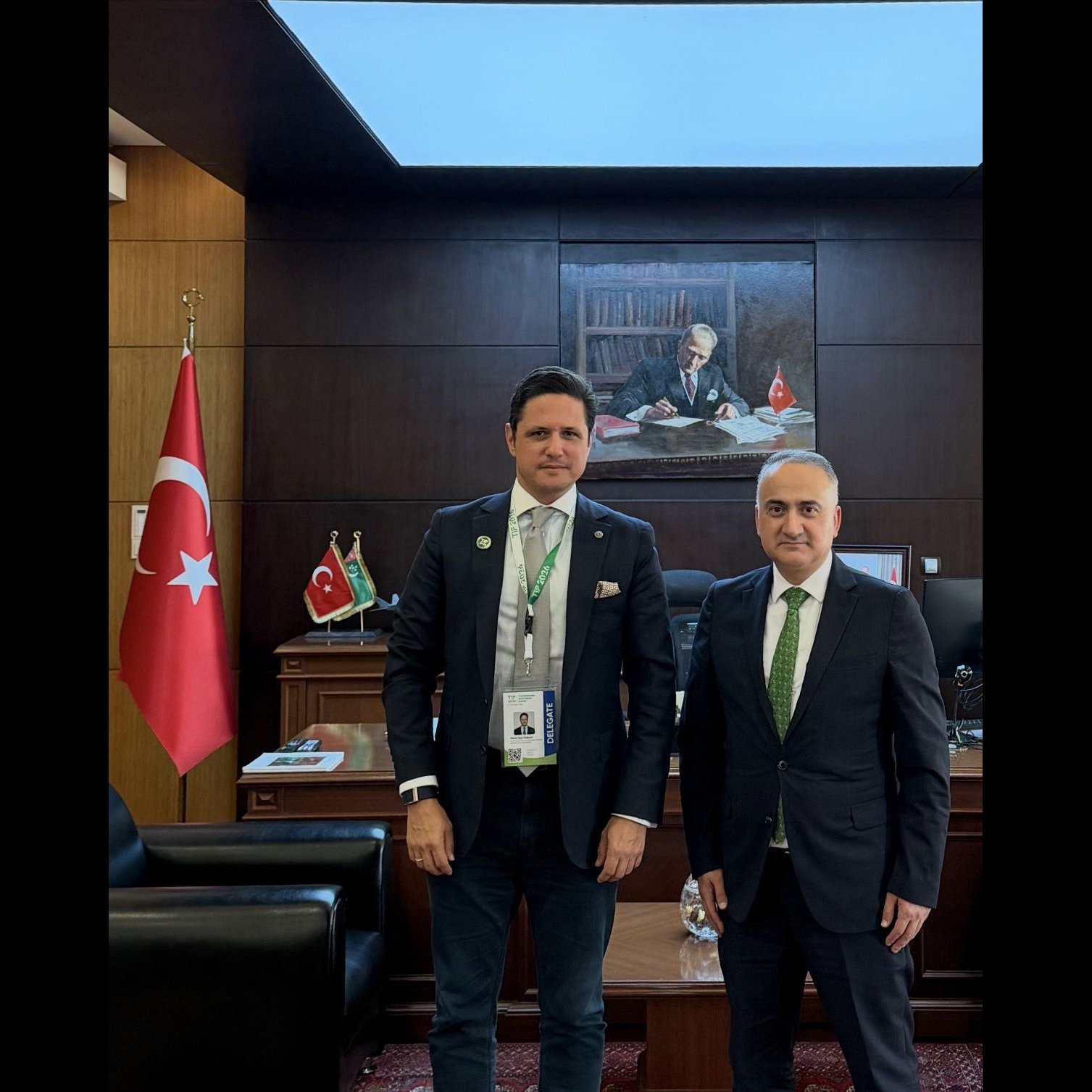
I was also very pleased to spend time with Türkiye's Ambassador in Ashgabat, H.E. Şener Cebeci, and exchange views on Turkmenistan and the wider region.
My main takeaway: there is considerably more happening across Central Asia than many international investors appreciate. The opening plenary alone brought together ministers from across the region alongside the EU, the UK, the UN and the IFC.
As global trade, capital and supply chains become more fragmented, countries that can connect markets, resources and corridors will become increasingly important. But unlocking that potential requires more than capital. It requires long-term relationships, local understanding, patience and the ability to align commercial interests with national priorities.
That is increasingly where we see Tanto Capital Partners operating: at the intersection of capital, geopolitics and real-world projects.
Thank you to our hosts in Turkmenistan, and to our Japanese friends, for a memorable few days.