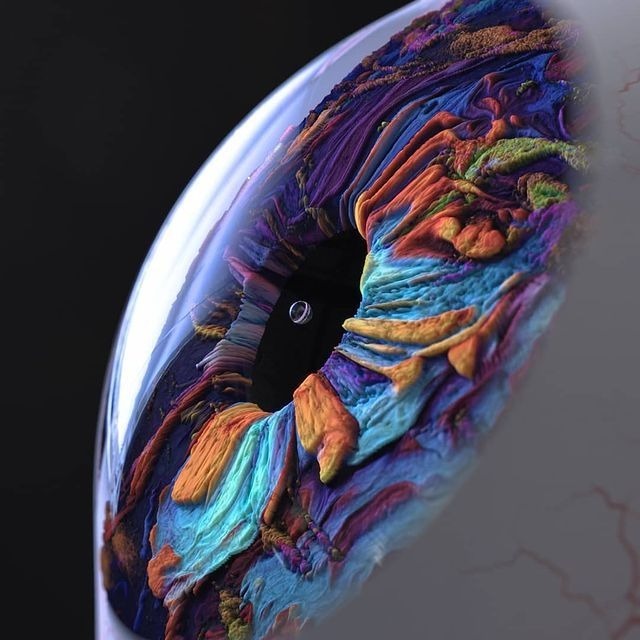

Scientists have grown a tiny human eye lens in the lab for the first time, and it could change how we treat cataracts.
Researchers in the UK and Japan took adult cells, reprogrammed them into a stem cell-like state, and spent eight weeks coaxing them to organize into mini lenses. The result closely resembles the real thing, with many of the key biological features of a natural human lens.
That matters because developing human lens tissue is very hard to get and study. These lab-grown versions give scientists a new way to test medicines, understand vision diseases and investigate genetic lens disorders that some children are born with.
The longer-term hope is regenerative treatment. Cataracts, where the lens turns cloudy, are currently fixed by replacing the lens with an artificial one. It’s the most common procedure on the NHS, with about 650,000 operations a year. Researchers hope this work could one day reduce the need for full replacement surgery.
It’s still early, and for now these are mini lenses for research rather than a treatment. But it’s a meaningful step toward a very different future for eye care.
If your own cells could one day be used to regrow part of your eye, would you choose that over an artificial replacement? 👁️
#Science #EyeHealth #StemCells #Healthcare #Innovation