

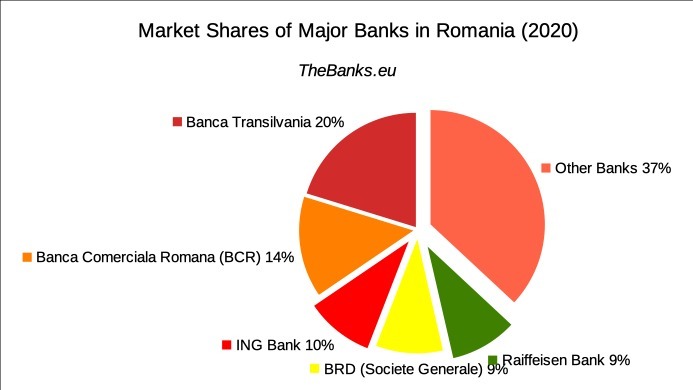
Romania’s banking sector continues to play a key role in supporting businesses, households, and long-term economic development. In recent years, banks have shown solid resilience, helped by strong capital positions, profitability, and continued digital transformation.
From mobile banking and instant payments to SME financing and mortgage lending, Romanian banks are no longer just financial intermediaries. They are becoming platforms for financial education, investment access, and economic modernization.
Still, the sector faces important challenges: higher borrowing costs, cautious lending, cybersecurity risks, and a gradual rise in non-performing loans. According to recent National Bank of Romania data, the banking system remains stable, but credit quality and macroeconomic uncertainty require close attention.
The opportunity is clear: Romanian banks can strengthen trust by combining prudent risk management with innovation, transparency, and better financial inclusion. A stronger banking system means more financing for entrepreneurs, more confidence for consumers, and a more competitive Romanian economy.
From mobile banking and instant payments to SME financing and mortgage lending, Romanian banks are no longer just financial intermediaries. They are becoming platforms for financial education, investment access, and economic modernization.
Still, the sector faces important challenges: higher borrowing costs, cautious lending, cybersecurity risks, and a gradual rise in non-performing loans. According to recent National Bank of Romania data, the banking system remains stable, but credit quality and macroeconomic uncertainty require close attention.
The opportunity is clear: Romanian banks can strengthen trust by combining prudent risk management with innovation, transparency, and better financial inclusion. A stronger banking system means more financing for entrepreneurs, more confidence for consumers, and a more competitive Romanian economy.
1